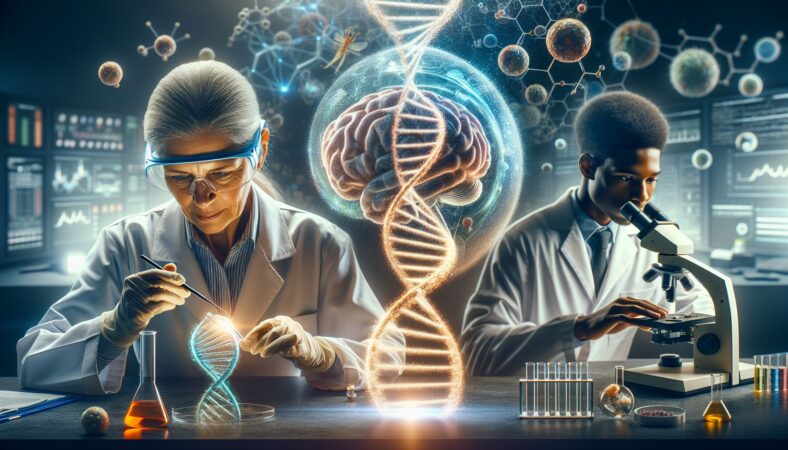
Medical science is a fascinating and dynamic field that has made remarkable strides in improving healthcare outcomes. With ongoing research, advancements in technology, and innovative approaches, medical science continues to push the boundaries of what is possible. In this blog post, we will explore some of the amazing developments in medical science that are shaping the future of healthcare.
The Power of Genomic Medicine
One of the most significant advancements in medical science is the field of genomic medicine. The study of the entire DNA sequence, known as the genome, has opened up new avenues for personalized medicine. By analyzing an individual’s genetic makeup, doctors can gain insights into their risk of developing certain diseases or the potential response to specific treatments. This knowledge allows for more targeted and effective interventions, improving patient outcomes.
Leveraging Artificial Intelligence
Artificial intelligence (AI) has found its way into various aspects of medical science and is revolutionizing healthcare delivery. AI algorithms can analyze vast amounts of patient data, helping physicians develop more accurate diagnoses and treatment plans. Additionally, AI-powered robotic surgery systems enable surgeons to perform complex procedures with enhanced precision, reducing the risk of complications and improving patient recovery rates.
Exploring the Frontiers of Nanotechnology
Nanotechnology is another exciting field within medical science. By manipulating matter at the nanoscale, scientists can develop innovative therapies and tools with unprecedented precision. For example, nanosensors can detect diseases at an early stage, significantly improving the chances of successful treatment. Nanoparticles are also being explored for targeted drug delivery, ensuring medication reaches specific cells or organs while minimizing side effects.
Advancements in Biotechnology
Biotechnology has opened up a world of possibilities in medical science. From developing new medications and therapies to creating bioengineered organs, the potential applications of biotechnology are vast. Researchers are continuously exploring how genetic engineering and stem cell therapy can be harnessed to treat previously incurable conditions. The development of artificial organs and tissue engineering techniques holds promise for transplantation, reducing the reliance on donor organs.
The Future of Medical Science
The future of medical science is incredibly promising. Breakthroughs in fields like regenerative medicine, immunotherapy, and precision medicine are paving the way for more effective treatments and better patient outcomes. Collaborations between scientists, physicians, and engineers are bringing together diverse expertise to tackle complex healthcare challenges. The development of personalized treatments based on an individual’s unique genetic blueprint will revolutionize how diseases are managed.
In conclusion, medical science continues to push boundaries, fueling breakthroughs that are reshaping the future of healthcare. From exploring the human genome to leveraging AI and nanotechnology, the possibilities seem endless. As we continue to invest in research and foster interdisciplinary collaborations, the potential for medical science to positively impact human health is truly exciting. Embracing these advancements will lead us to a future where diseases once considered incurable become manageable, prolonging and improving lives.