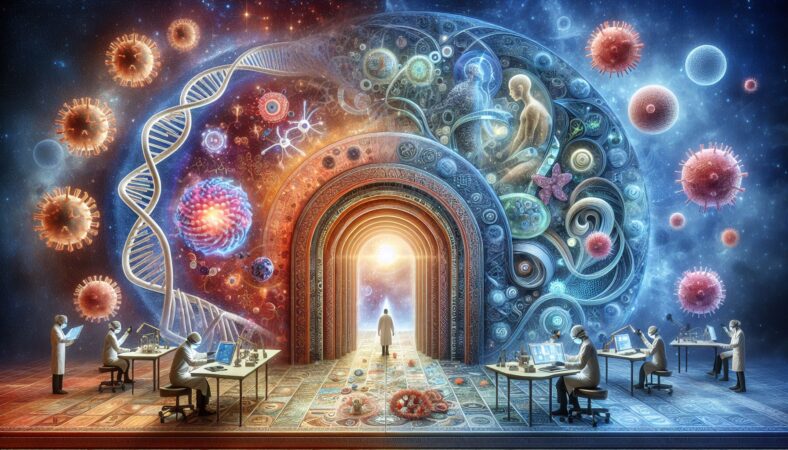
Medical science, a field that intertwines the marvels of science and the intricacies of medicine, plays a pivotal role in transforming healthcare as we know it. Through research, experimentation, and innovation, medical scientists strive to unlock the mysteries of the human body, discover new treatments, and revolutionize the way we approach healthcare. In this article, we will delve into the realm of medical science and explore the remarkable contributions it makes towards improving human health and well-being.
The Journey of Medical Science
The journey of medical science begins with continuous research and exploration. Scientists work tirelessly to deepen our understanding of different diseases, their causes, and potential treatments. Through their efforts, they aim to develop new drugs, therapies, and medical technologies that can alleviate suffering and provide hope to millions worldwide.
One of the key factors driving advancements in medical science is the collaboration between researchers, physicians, and medical professionals. By working together, they combine their vast expertise and experiences to analyze data, conduct clinical trials, and develop effective treatment strategies to combat various diseases.
Breaking New Ground in Treatments
Medical science has paved the way for groundbreaking treatments across numerous disciplines. From cancer research leading to innovative therapies such as immunotherapy and targeted therapies, to advancements in surgical procedures like organ transplants and minimally invasive techniques – the realm of medical science has transformed the landscape of healthcare.
Even in areas considered incurable just a few decades ago, medical science has made immense progress. Chronic conditions like diabetes, multiple sclerosis, and HIV/AIDS are now better managed through the discovery of new medications and more accurate diagnostic tools.
Striving for Prevention and Disease Control
Prevention is always better than cure, and medical science understands this well. By investing in preventive medicine and public health practices, medical scientists aim to reduce the burden of diseases on society. This includes efforts to promote healthy habits, vaccination campaigns, early detection screenings, and education programs.
In recent times, medical science has played a crucial role in tackling global health crises. During the COVID-19 pandemic, scientists worked tirelessly to develop vaccines at an unprecedented pace, aiding in disease control and saving lives. The advancements made in medical science have further emphasized the importance of interdisciplinary collaboration and rapid innovation in addressing emergencies.
The Future of Medical Science
As we move forward into the future, medical science continues to hold immense potential. With the advent of artificial intelligence and big data analytics, scientists can now analyze vast amounts of medical information to identify patterns, make accurate diagnoses, and personalize treatment plans. This integration of technology into healthcare has opened up new avenues for research and enhanced patient care.
Moreover, medical science is now exploring fields such as regenerative medicine, gene therapy, and nanotechnology to revolutionize the way we treat diseases. These emerging areas hold promise for repairing damaged tissues, targeting specific genes responsible for diseases, and delivering drugs directly at a cellular level.
Conclusion
The world of medical science is like a beacon of hope, constantly pushing the boundaries of what is possible in healthcare. From developing new treatments to preventing diseases and working towards a healthier future, medical science has transformed the lives of countless individuals. By supporting and investing in this field, we support the pursuit of improved healthcare for all. So let us appreciate the men and women dedicated to the noble cause of medical science, who tirelessly strive to make the world a healthier place for everyone.