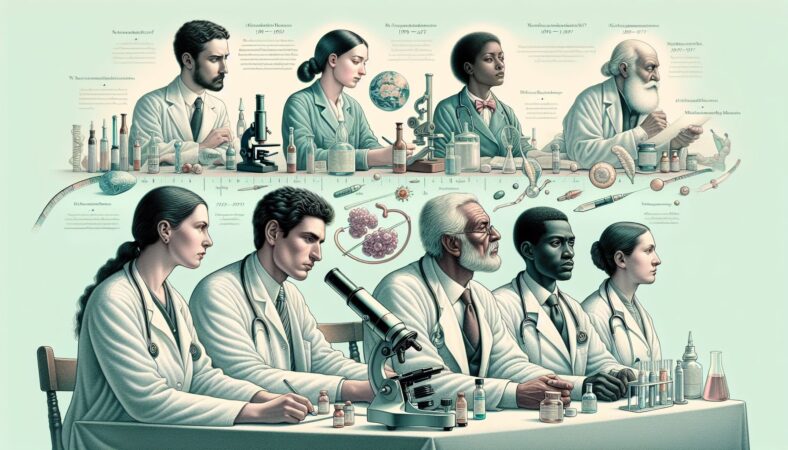
Medical science has come a long way over the past few decades. Thanks to revolutionary breakthroughs and relentless dedication from scientists and researchers, our understanding of the human body and the diseases it faces has reached new heights. Today, we explore some of the incredible advancements that have shaped medical science and transformed the healthcare landscape.
Probing the Depths of Genetics
One of the most significant advancements in medical science has been our growing understanding of genetics. The Human Genome Project, completed in 2003, marked a milestone by mapping out the human genome and providing researchers with an incredible wealth of information. Since then, scientists have made remarkable progress in understanding the genetic basis of various diseases, from cancer to rare genetic disorders. This knowledge has paved the way for personalized medicine, where treatments and preventive measures can be tailored to an individual’s unique genetic makeup.
The Rise of Medical Imaging
Medical imaging has revolutionized diagnostics by allowing us to peer inside the human body without invasive procedures. From X-rays to magnetic resonance imaging (MRI) and computed tomography (CT) scans, these imaging techniques provide invaluable insights into the functioning of organs and tissues. With the rise of advanced imaging technologies, doctors can now detect conditions at earlier stages, leading to more effective treatment outcomes. Moreover, medical imaging plays a crucial role in surgical planning, enabling surgeons to perform intricate procedures with precision and reducing risks for patients.
Breaking Barriers with Nanomedicine
The emerging field of nanomedicine has opened up endless possibilities in the field of healthcare. By utilizing tiny particles and structures at the nanoscale, scientists can develop new drug delivery systems that target specific locations in the body, reducing side effects and enhancing therapeutic efficacy. Nanotechnology has also facilitated the development of innovative diagnostic tools, such as biosensors and imaging agents, allowing for earlier detection of diseases. With ongoing research in this area, nanomedicine promises to revolutionize the way we prevent, diagnose, and treat medical conditions.
Harnessing the Power of Artificial Intelligence
Artificial intelligence (AI) has found its way into the medical field, empowering healthcare professionals and improving patient care. By analyzing large datasets, AI algorithms can help identify patterns and predict outcomes, aiding in diagnosis and treatment decision-making. Machine learning algorithms can help identify previously unnoticed associations between risk factors and diseases, improving preventive approaches. Additionally, AI supports ongoing research by streamlining the analysis of medical literature, helping researchers sift through vast amounts of data quickly.
Conclusion
The potential of medical science seems limitless. As we continue to advance our understanding of genetics, develop new imaging technologies, explore nanomedicine, and leverage the power of artificial intelligence, the future of healthcare appears brighter than ever before. These incredible achievements have not only extended our lifespan but have also improved the quality of life for millions of people worldwide. It is crucial to continue supporting scientific research and innovation, as each breakthrough brings us closer to a healthier and more prosperous world.