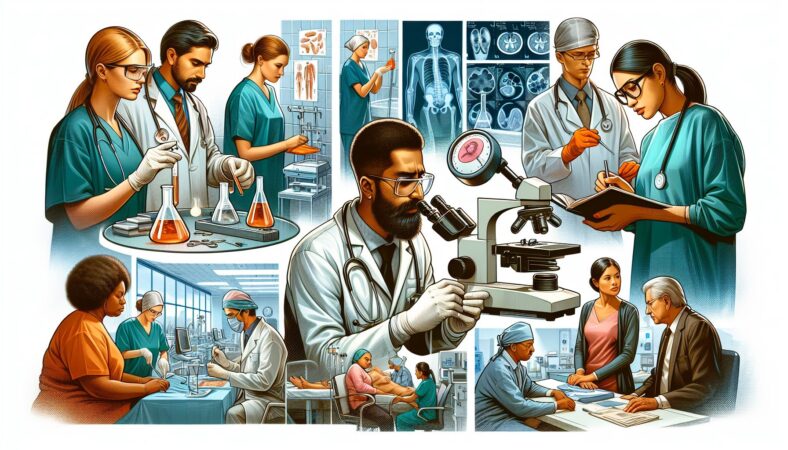
Medical science is a vast and continually evolving field that delves into understanding, diagnosing, and treating diseases and disorders of the human body. This branch of science incorporates various disciplines such as biochemistry, physiology, pharmacology, and genetics to drive advancements in healthcare and improve the quality of life for individuals worldwide.
The Body of Medical Science
One of the fundamentals of medical science is research. Through research, scientists can better understand the mechanisms of diseases, discover new treatments, and contribute to innovative technologies that revolutionize healthcare. Research in medical science also plays a crucial role in identifying risk factors for diseases, developing preventive measures, and evaluating the effectiveness of medical interventions.
Another essential aspect of medical science is diagnostics. State-of-the-art technologies and diagnostic tools enable healthcare professionals to accurately identify and monitor various health conditions. From imaging techniques like MRI and CT scans to laboratory tests that analyze blood samples, diagnostics are essential for making informed decisions about patient care.
Treatment is at the core of medical science, as it focuses on alleviating symptoms, curing diseases, and improving overall health and well-being. Medical professionals rely on evidence-based practices to guide treatment decisions and provide the highest standard of care to their patients. Advancements in medical science have also led to the development of innovative therapies, personalized medicine, and targeted treatments that cater to individual patient needs.
The Impact of Medical Science
The impact of medical science is immense, as it has significantly improved human health and extended life expectancy. Breakthroughs in medical research have led to the discovery of vaccines, antibiotics, and life-saving treatments for various diseases. From eradicating smallpox to managing chronic conditions like diabetes, medical science continues to make remarkable strides in enhancing healthcare outcomes and reducing mortality rates.
In addition to individual patient care, medical science also addresses public health concerns on a global scale. By studying infectious diseases, epidemiology, and health policies, medical researchers can identify and respond to health threats in communities and populations. Through public health interventions, such as vaccination campaigns and disease surveillance, medical science plays a crucial role in preventing outbreaks and promoting public well-being.
Conclusion
In conclusion, medical science is a dynamic and multifaceted field that encompasses research, diagnostics, and treatment to advance human health and well-being. With ongoing advancements in technology, genetics, and personalized medicine, the future of medical science holds great promise for improving patient outcomes and transforming healthcare practices. By fostering collaboration, innovation, and evidence-based practices, medical science continues to shape the landscape of modern medicine and drive progress in understanding and treating diseases.