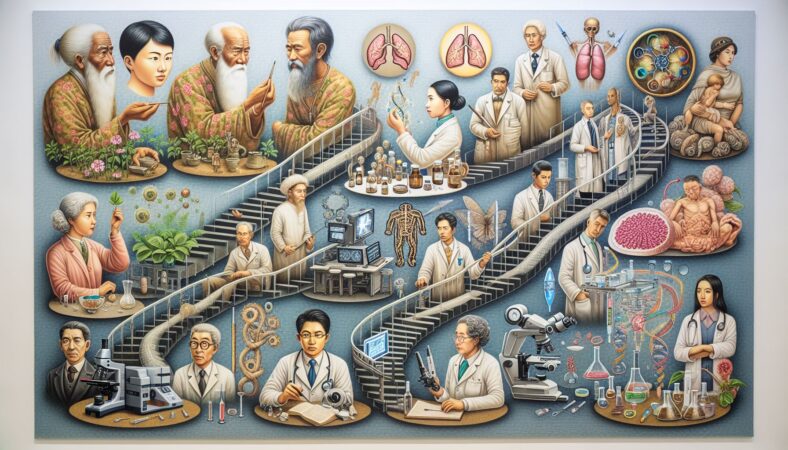
Medical science has come a long way since its humble beginnings. From ancient practices like bloodletting to cutting-edge technologies like CRISPR gene editing, the field of medicine has made tremendous advancements that have revolutionized healthcare.
The introduction of antibiotics in the 20th century was a game-changer in the treatment of infections. Diseases that were once deadly, like pneumonia and tuberculosis, could now be easily cured with a course of antibiotics. This discovery saved countless lives and paved the way for further medical breakthroughs.
As technology has advanced, so too has our understanding of the human body. The development of imaging techniques like X-rays, MRIs, and CT scans has allowed doctors to see inside the body and diagnose conditions with unprecedented accuracy. This has led to earlier detection of diseases and more effective treatments.
In recent years, precision medicine has emerged as a cutting-edge approach to healthcare. By analyzing a person’s genetic makeup, lifestyle, and environment, doctors can tailor treatments to the individual for more personalized and effective care. This has the potential to revolutionize how we treat diseases like cancer, diabetes, and heart disease.
One of the most exciting developments in medical science is the field of regenerative medicine. Stem cell therapy, tissue engineering, and organ transplantation offer the possibility of repairing damaged tissues and organs, providing hope for patients with previously untreatable conditions. Researchers are even working on growing new organs in the lab, a technology that could eliminate the need for organ donors and save countless lives.
Despite all these advancements, there is still much to learn and discover in the field of medical science. Researchers are constantly pushing the boundaries of what is possible, seeking new treatments and cures for the most challenging diseases. The future of medicine is bright, with promising developments on the horizon such as personalized vaccines, artificial intelligence in healthcare, and the use of nanotechnology for targeted drug delivery.
In conclusion, the evolution of medical science has been nothing short of remarkable. From ancient remedies to cutting-edge technologies, we have made incredible strides in understanding and treating human disease. As we continue to push the boundaries of what is possible, we can look forward to a future where healthcare is more personalized, effective, and accessible than ever before. The possibilities are endless, and the potential for improving human health is limitless.