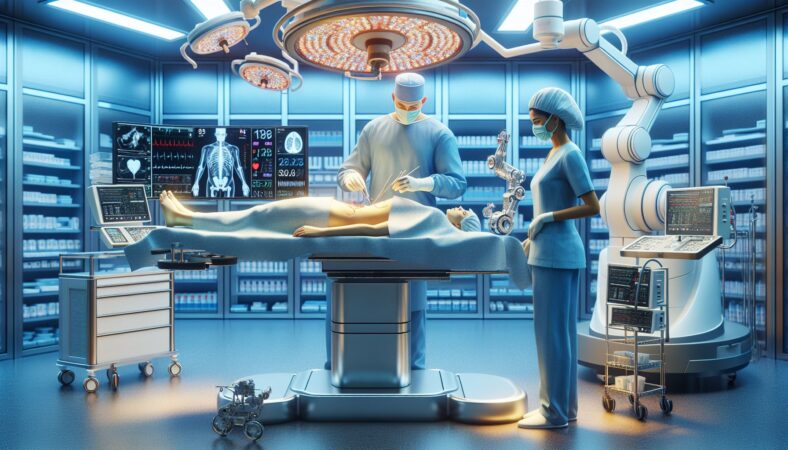
In recent years, medical science has made extraordinary progress, revolutionizing the way we understand and treat various diseases. Through groundbreaking research, innovative technologies, and the collaboration of brilliant minds, medical science continues to push the boundaries of what is possible in healthcare. In this article, we will explore some of the incredible advancements that have emerged, shaping the future of medicine.
The Power of Precision Medicine
Precision medicine, also known as personalized medicine, is a cutting-edge approach that tailors treatments to an individual’s unique genetic makeup, lifestyle, and environmental factors. With the help of advanced technologies like genetic sequencing, scientists can identify specific genes and mutations that contribute to the development of diseases. By gaining a deeper understanding of these molecular mechanisms, doctors can design personalized treatment plans that are more effective, safer, and have fewer side effects.
One promising application of precision medicine is in the field of oncology. Previously, cancer treatments were often a one-size-fits-all approach. However, with precision medicine, doctors can identify genetic mutations driving tumors and target them directly, leading to more efficient therapies and improved patient outcomes.
Revolutionary Gene Editing Technologies
Gene editing technologies, such as CRISPR-Cas9, have revolutionized medical science by allowing scientists to modify genes with unprecedented precision. This breakthrough technology has the potential to cure inherited diseases, such as sickle cell anemia and cystic fibrosis, by correcting the underlying genetic mutations.
In addition to treating genetic disorders, gene editing offers new hope in the fight against infectious diseases. Scientists are exploring ways to use CRISPR to modify disease-carrying mosquitoes, eradicate malaria-carrying parasites, and even prevent the spread of viruses like HIV.
Artificial Intelligence in Healthcare
Artificial intelligence (AI) is transforming the healthcare landscape by analyzing vast amounts of medical data and generating valuable insights. Machine learning algorithms can quickly and accurately diagnose diseases, predict patient outcomes, and assist in drug discovery.
One of the most exciting applications of AI is in radiology. AI-powered algorithms can analyze medical images, such as X-rays and MRIs, to detect abnormalities and assist radiologists in making more accurate diagnoses. This not only saves time but also improves the accuracy of medical imaging, potentially leading to earlier detection and better treatment outcomes.
Conclusion
The advancements in medical science are awe-inspiring and offer tremendous hope for the future of healthcare. Precision medicine, gene editing technologies, and artificial intelligence are just a few examples of the remarkable progress being made. These innovations have the potential to transform the way we prevent, diagnose, and treat diseases, ultimately improving the quality of life for millions of people worldwide. As we continue to push the boundaries of medical science, we must also ensure that these advancements are accessible and affordable to all, to create a healthier and more equitable future.