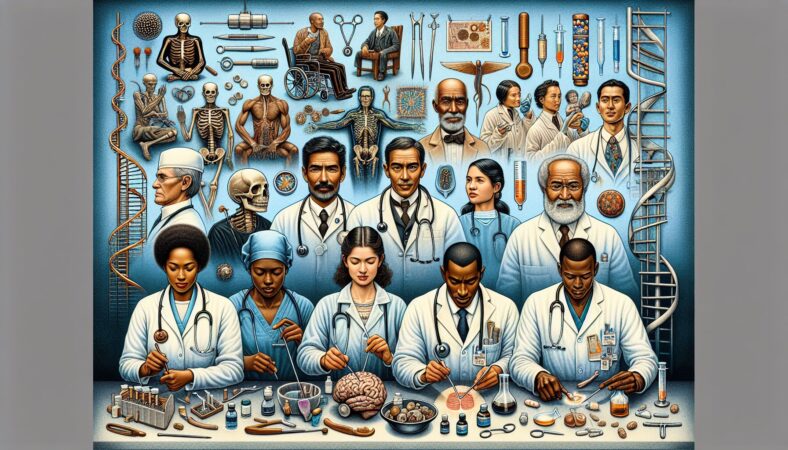
Medical science has made tremendous progress over the past few decades. Thanks to groundbreaking research, innovative technologies, and dedicated healthcare professionals, we have seen significant improvements in patient care, disease prevention, and overall quality of life. In this article, we will explore some of the key advancements in medical science and their impact on society.
Advancements in Diagnosis and Treatment
One of the most notable achievements of medical science is the development of advanced diagnostic tools and techniques. From high-resolution imaging technologies like MRI and CT scans to genetic testing and biomarker analysis, these advancements have revolutionized disease diagnosis. Doctors can now detect diseases at earlier stages, leading to more effective treatments and improved patient outcomes.
Furthermore, medical science has witnessed incredible progress in the field of treatment. Innovative therapies such as targeted biologics and immunotherapies have revolutionized the way we approach cancer, autoimmune disorders, and other chronic conditions. Precision medicine, which tailors treatments based on an individual’s unique genetic makeup, is gaining popularity and showing promising results in various diseases.
Enhancements in Surgical Procedures
Advancements in medical science have greatly enhanced surgical procedures, making them more precise, minimally invasive, and safer. Robotic-assisted surgeries, for instance, allow surgeons to perform complex operations with increased accuracy and reduced recovery times. Additionally, the development of advanced prosthetics and implants enables individuals with disabilities to regain their mobility and independence, profoundly improving their quality of life.
Digital Health Technologies
The digitization of healthcare has brought about numerous benefits, improving patient care and accessibility. With the rise of electronic health records (EHRs), medical professionals can now easily access patients’ medical histories, reducing the likelihood of errors and streamlining care coordination. Telemedicine, another significant innovation, allows for remote diagnosis and treatment, benefiting patients in underserved areas and those with limited mobility.
Fight Against Infectious Diseases
Medical science has played a crucial role in combating infectious diseases, leading to the development of life-saving vaccines and effective treatments. Diseases that once plagued humanity, such as smallpox and polio, have been successfully eradicated or brought under control through extensive vaccination campaigns. Ongoing research and advancements continue to tackle emerging diseases like Ebola and COVID-19, safeguarding global public health.
Conclusion
Medical science has undoubtedly transformed the healthcare landscape, positively impacting the lives of millions worldwide. From advancements in diagnosis and treatment to surgical procedures and digital health technologies, the field continues to push boundaries and offer hope for a healthier future. As we look ahead, continued investment in medical research and collaboration between scientists, clinicians, and policymakers will be pivotal to foster innovation and address the evolving healthcare challenges. Let us celebrate the achievements of medical science and remain optimistic about the potential for even greater breakthroughs in the years to come.