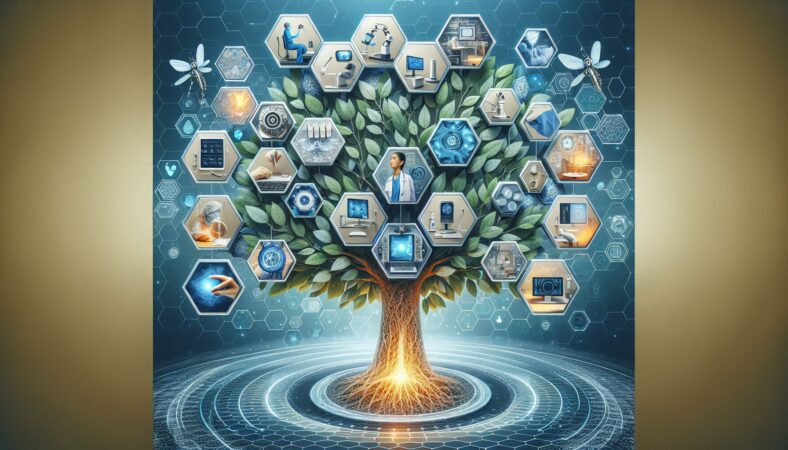
Medical science is constantly evolving, with new discoveries and breakthroughs emerging every day. This field is dedicated to the research, study, and application of medical knowledge to improve the health and well-being of individuals and society as a whole. From innovative technologies to groundbreaking treatments, medical science continues to shape the future of healthcare and transform how we perceive and address health-related issues.
The Foundation of Medical Science
At its core, medical science is based on scientific research and evidence-based practice. Researchers and healthcare professionals work hand in hand to uncover the underlying causes of diseases, develop interventions, and explore potential therapies. These efforts have led to the development of life-saving vaccines, revolutionary treatments, and a deeper understanding of the human body and its intricate systems.
Advancements in Medical Technologies
One of the key factors propelling medical science forward is the continuous advancement in technologies. From diagnostic tools to surgical techniques, these innovations have revolutionized the way medical professionals diagnose, treat, and monitor various conditions. For instance, the advent of minimally invasive surgeries has greatly reduced patient trauma and recovery time. Similarly, ultrasounds, CT scans, and MRI machines provide detailed and accurate images, aiding in the diagnosis of complex conditions.
Precision Medicine and Personalized Treatments
Medical science is shifting towards personalized treatments, thanks to the development of precision medicine. This approach takes into account an individual’s genetic makeup, lifestyle, and environmental factors to tailor treatments specific to their needs. By analyzing an individual’s unique characteristics, medical professionals can predict disease susceptibility, determine the most effective therapies, and reduce the risk of adverse reactions. Precision medicine offers a new frontier for tackling diseases such as cancer, cardiovascular conditions, and genetic disorders.
Genetic Discoveries and Innovations
Understanding the human genome has unlocked numerous opportunities for medical advancements. Genetic research has shed light on the underlying causes of many inherited conditions, leading to more accurate diagnoses and targeted treatments. Furthermore, advancements such as gene editing technologies like CRISPR-Cas9 have the potential to eradicate certain genetic disorders at their root. The ability to manipulate genes raises ethical questions but also presents unprecedented possibilities for preventing and treating a wide range of diseases.
The Future of Medical Science
As medical science continues to push boundaries, the future holds much promise. Researchers are exploring the potential of regenerative medicine, hoping to develop methods to repair or replace damaged tissues and organs. Nanotechnology offers the possibility of delivering targeted treatments directly to affected areas, minimizing side effects and improving efficacy. Artificial intelligence is also making its mark, helping analyze vast amounts of medical data, enabling earlier disease detection, and enhancing treatment outcomes.
Conclusion
Medical science has come a long way, and its impact on healthcare cannot be understated. With the help of innovative technologies, personalized treatments, and breakthrough discoveries in genetics, the future of medicine looks more promising than ever. As we continue to invest in research and encourage collaboration between scientists, healthcare professionals, and technology experts, we move closer to a world with improved health outcomes and a better quality of life for all. So, let us embrace the advancements in medical science and be hopeful for a healthier future.