Author: Don Hernandez

The Advancements in Medical Science

Medical science has made remarkable progress over the years, revolutionizing the healthcare industry and improving the lives of millions. The constant pursuit of understanding, diagnosing, and treating diseases has led to groundbreaking discoveries and inventions that have saved countless lives. Today, we will take a closer look at some of the most important advancements in medical science and their impact on society.

Unraveling the Human Genome

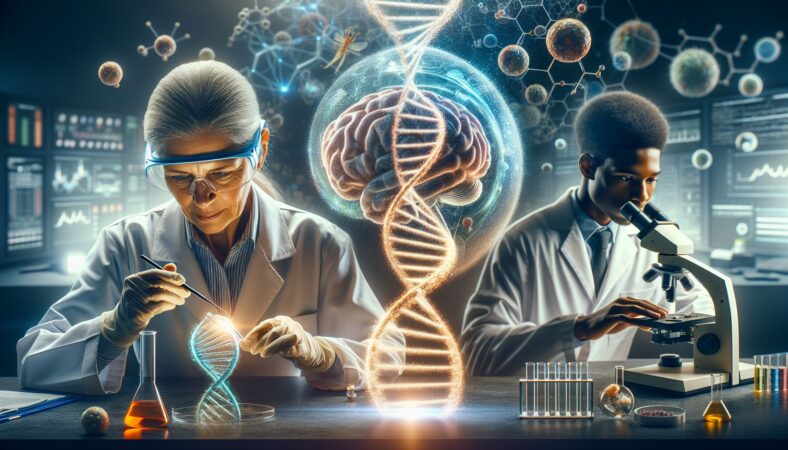
One of the most significant achievements in medical science was the completion of the Human Genome Project. This colossal undertaking, which began in 1990 and concluded in 2003, successfully sequenced the entire human genome. This breakthrough has allowed scientists and healthcare professionals to understand the genetic basis of various diseases, leading to more accurate diagnostics, targeted treatments, and even preventive measures.

Precision Medicine

Thanks to advancements in medical science, the era of one-size-fits-all medicine is slowly coming to an end. Precision medicine, also known as personalized medicine, takes into account an individual’s unique genetic makeup, lifestyle, and environment to provide tailored treatments. By analyzing an individual’s genetic information, doctors can now predict how a patient will respond to a particular therapy, increasing treatment effectiveness and reducing adverse reactions.

Immunotherapy and Targeted Therapies

Another remarkable development in medical science is the rise of immunotherapy and targeted therapies. Traditional cancer treatments like chemotherapy and radiation can be harsh on the body, often causing severe side effects. However, with these new treatment approaches, doctors can intelligently target cancer cells while minimizing damage to healthy cells. Immunotherapy, for example, harnesses the body’s immune system to fight cancer, resulting in more effective and less harmful treatments.

Advancements in Imaging Technology

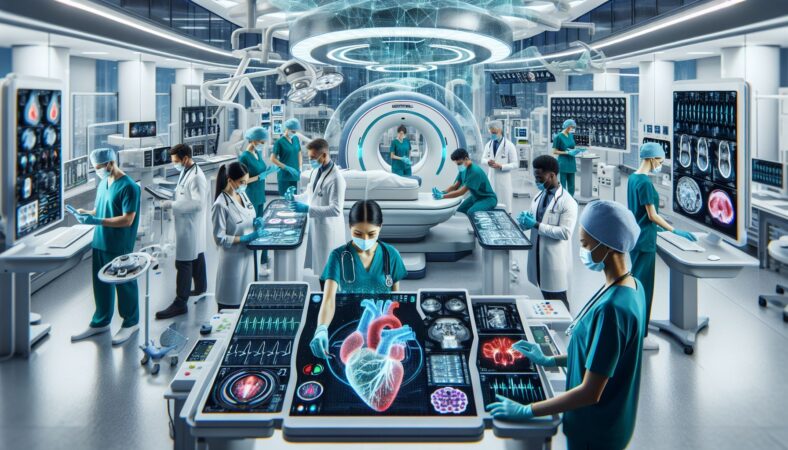
Medical imaging technology has come a long way, transforming the way diseases are diagnosed and monitored. Radiographic techniques like X-rays, CT scans, and MRI scans have become faster, more accurate, and more accessible than ever before. These imaging tools allow healthcare professionals to visualize internal structures in unprecedented detail, helping them detect diseases in their early stages and provide better treatment strategies.

Telemedicine and Digital Health

The recent surge in telemedicine and digital health solutions has also had a significant impact on medical science. With the advent of smartphones and high-speed internet, patients can now consult doctors remotely and access essential healthcare services from the comfort of their homes. Remote monitoring devices and wearables enable continuous health monitoring, helping to prevent emergencies and improving disease management. These digital advancements have not only enhanced patient care but have also made healthcare more accessible and efficient.

Conclusion

Medical science continues to evolve at an astonishing pace, shaping the future of healthcare. From unraveling the human genome to developing personalized treatments and utilizing advanced imaging technologies, the field has witnessed remarkable advancements. With the integration of telemedicine and digital health, healthcare delivery is becoming more convenient and effective for patients worldwide. As we move forward, there is no doubt that medical science will continue to unlock new possibilities, offering hope for better diagnostics, treatments, and ultimately, a healthier society.
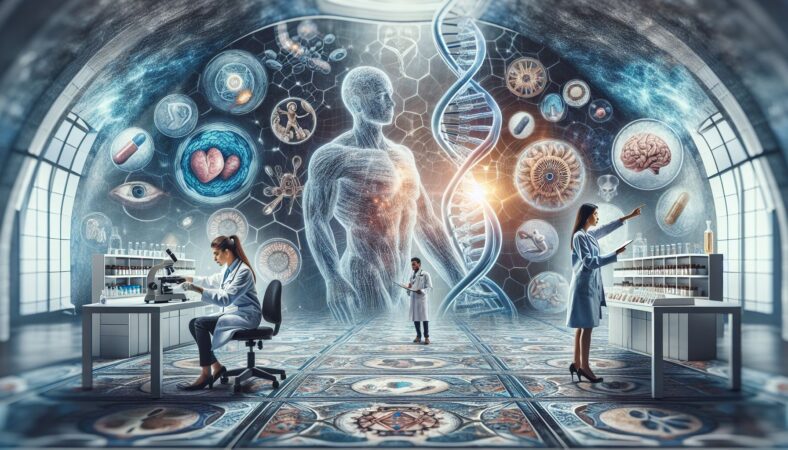
Advancements in Medical Science: Pioneering a Healthier Future

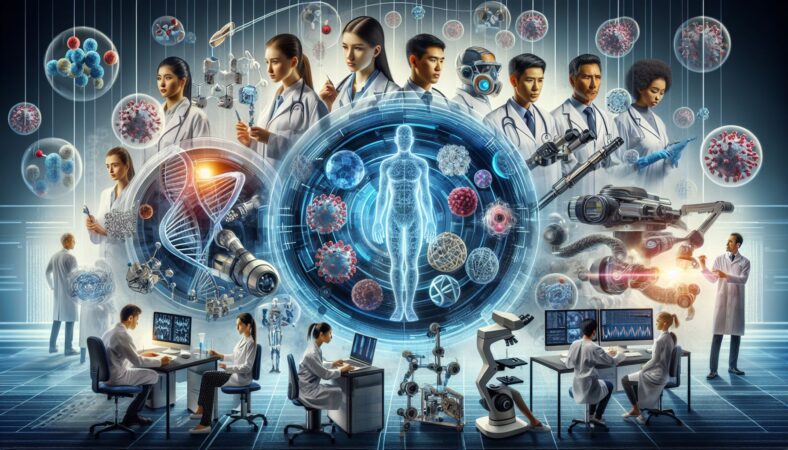
The field of medical science has undergone significant progress in recent years. From groundbreaking discoveries to innovative treatments, scientists and researchers continue to unravel the mysteries of the human body, opening new doors for a healthier and brighter future. In this blog post, we will explore some of the remarkable advancements in medical science that are shaping the world of healthcare as we know it.

Unveiling the Secrets of Genetics

One of the most revolutionary advancements in medical science is the deciphering of the human genome. The Human Genome Project, completed in 2003, marked a major breakthrough that has since opened avenues for understanding genetic disorders and hereditary diseases. This newfound knowledge has enabled scientists to develop personalized treatments and therapies, tailoring medical interventions to an individual’s unique genetic makeup.

Cutting-edge Diagnostic Tools

In recent years, medical science has witnessed the development of remarkable diagnostic tools that enable early detection of diseases. Advanced imaging techniques such as Magnetic Resonance Imaging (MRI) and Computed Tomography (CT) scans allow doctors to visualize internal structures with exceptional precision. Moreover, non-invasive techniques like liquid biopsies offer new possibilities for cancer detection, as they analyze genetic material in the bloodstream, providing valuable insights into the presence of tumors and their characteristics.

Precision Medicine: A Paradigm Shift

The advent of precision medicine has transformed the landscape of healthcare. By considering an individual’s genetic, environmental, and lifestyle factors, medical professionals can now tailor treatments to the specific needs of each patient. From cancer therapies targeting specific mutations to the prevention of adverse drug reactions through genetic testing, precision medicine allows for more effective and personalized care, leading to improved patient outcomes.

Revolutionizing Surgery with Robotics

A major advancement in medical science lies in the integration of robotics in surgical procedures. Robotic-assisted surgeries offer unparalleled precision and control, minimizing invasiveness and improving patient safety. Surgeons can now perform complex procedures with enhanced dexterity, leading to reduced recovery times and improved surgical outcomes.

Harnessing the Power of Regenerative Medicine

Regenerative medicine brings hope to patients with chronic conditions or injuries that were once deemed irreversible. By utilizing stem cells, tissue engineering, and biomaterials, scientists are developing techniques to restore and repair damaged organs and tissues. From growing new skin to 3D-printing organs, regenerative medicine holds immense potential for alleviating the burden of diseases that were once untreatable.

Conclusion

The advancements in medical science continue to astonish us, pushing the boundaries of healthcare and offering hope to millions of individuals worldwide. From understanding the intricacies of genetics to harnessing the power of regenerative medicine, transformative discoveries are shaping the future of healthcare. As we embrace these mesmerizing advancements, it is crucial to recognize the immense potential they hold in revolutionizing patient care and improving the overall quality of life. Medical science is on an inspiring journey that will undoubtedly lead to a healthier and brighter future for all.

The Fascinating World of Medical Science

Are you curious about how medical advancements have changed and improved our lives? Medical science is a remarkable field that continues to make extraordinary leaps and bounds in improving human health and understanding complex diseases. In this blog post, we will delve into the captivating world of medical science and explore some of the latest breakthroughs and discoveries.

The Importance of Medical Science

Medical science plays a crucial role in our society, benefiting individuals and global health as a whole. It encompasses various disciplines such as biology, chemistry, genetics, and pharmacology to enhance our understanding of the human body and develop effective treatments. Without medical science, the world would be devoid of life-saving medications, innovative surgical techniques, and groundbreaking therapies.

Advancements in Diagnostics

One of the most significant contributions of medical science is the development of advanced diagnostic tools. In the past, identifying and diagnosing diseases was a daunting task, often leading to delayed or inaccurate treatment. However, with cutting-edge technologies such as molecular imaging, genetic testing, and artificial intelligence, doctors can now diagnose diseases more accurately and easily. These advancements have resulted in timely treatment interventions, improving patient outcomes and saving countless lives.

Revolutionary Treatments

Medical science has also revolutionized the treatment of various diseases. Innovative therapies, such as gene editing and immunotherapy, have emerged as potential game-changers in the battle against cancer and genetic disorders. Gene editing techniques like CRISPR allow scientists to modify faulty genes, offering the promise of curing hereditary diseases that were once thought to be incurable. Similarly, immunotherapy harnesses the power of the immune system to target and destroy cancer cells selectively. These breakthroughs highlight the immense potential of medical science to transform lives.

Understanding the Human Brain

The brain, often considered the final frontier in medical science, has captivated researchers for centuries. Recent advancements in neuroimaging techniques and neuroscience have unraveled many mysteries surrounding the human brain. Scientists are now able to study neural pathways, identify potential causes of neurodegenerative disorders, and develop personalized treatments. This progress brings hope for a future where conditions like Alzheimer’s and Parkinson’s can be effectively treated or prevented.

Conclusion

Medical science continues to push the boundaries of what is possible, making profound contributions to our well-being and understanding of the human body. From groundbreaking diagnostics to revolutionary treatments, advancements in medical science have transformed and saved countless lives. As we move forward, it is crucial to support and invest in further research, ensuring that the captivating world of medical science continually evolves and delivers new breakthroughs. Through these efforts, we can look forward to a healthier and brighter future for all.

The Remarkable Progress of Medical Science

Medical science has come a long way over the years, revolutionizing the way we diagnose, treat, and prevent diseases. From ancient practices to cutting-edge technology, the advancements in this field have had a profound impact on human health and wellbeing. Today, we will delve into the remarkable progress of medical science and explore how it has shaped our lives.

Advancements in Diagnosis

One of the most significant contributions of medical science lies in the field of diagnosis. With the development of new techniques and tools, doctors can now identify diseases with greater accuracy and efficiency. From X-rays and ultrasounds to magnetic resonance imaging (MRI) and computed tomography (CT) scans, these diagnostic methods have revolutionized patient care. Doctors can now detect diseases in their early stages, enabling timely intervention and increasing the chances of successful treatment.

Evolving Treatments

Medical science has also greatly evolved in terms of treatment options. The discovery of antibiotics has revolutionized the field of infectious disease management, saving countless lives. Additionally, advancements in surgical procedures have made many complex surgeries safer and more effective. Modern medicine has also seen tremendous progress in the development of medications that address chronic conditions like diabetes, hypertension, and cancer. Tailored treatments, such as immunotherapy and targeted therapy, are providing new hope for patients fighting previously untreatable diseases.

Prevention is Better than Cure

While medical science has undoubtedly made great strides in diagnosis and treatment, its focus on prevention has equally contributed to the improvement in public health. Vaccinations have been instrumental in eradicating or minimizing the impact of diseases like polio and smallpox. Health education campaigns promoting proper hygiene practices, exercise, and a healthy diet have made a significant difference in preventing the onset of various diseases. With increased awareness and preventive measures, we can now mitigate the risks associated with many illnesses.

Future Possibilities

Looking ahead, medical science continues to hold great promise. Research in fields like genetics, stem cell therapy, and nanotechnology shows exciting potential for future breakthroughs. Genomic medicine, for instance, offers the possibility of personalized healthcare based on a person’s unique genetic makeup. Advances in nanotechnology may revolutionize drug delivery systems and make treatments more targeted and efficient. With ongoing scientific research and innovation, the possibilities for medical science seem endless.

Conclusion

The incredible progress made by medical science has undoubtedly shaped the world we live in today. From improved diagnostic techniques to evolving treatments and preventive measures, medical science has had a profound impact on human health. However, the journey is far from over, and the future promises even more remarkable discoveries. As medical science continues to advance, it is crucial to support ongoing research and innovation to ensure a healthier and brighter future for all.

The Evolution of Medical Science: From Ancient Remedies to Cutting-Edge Technology

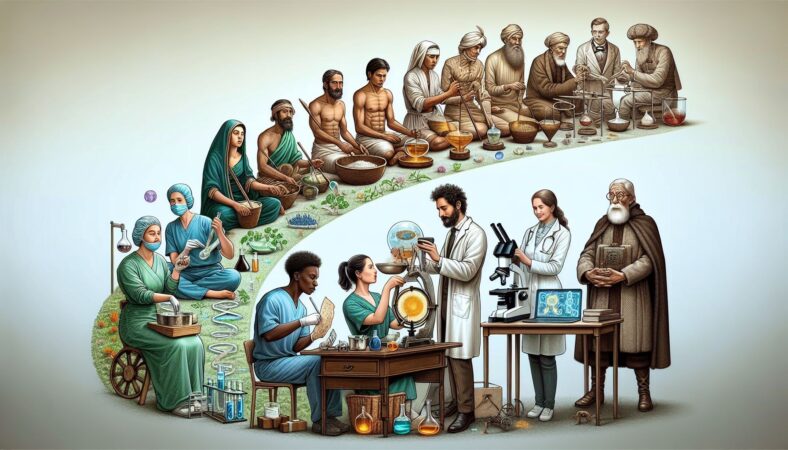
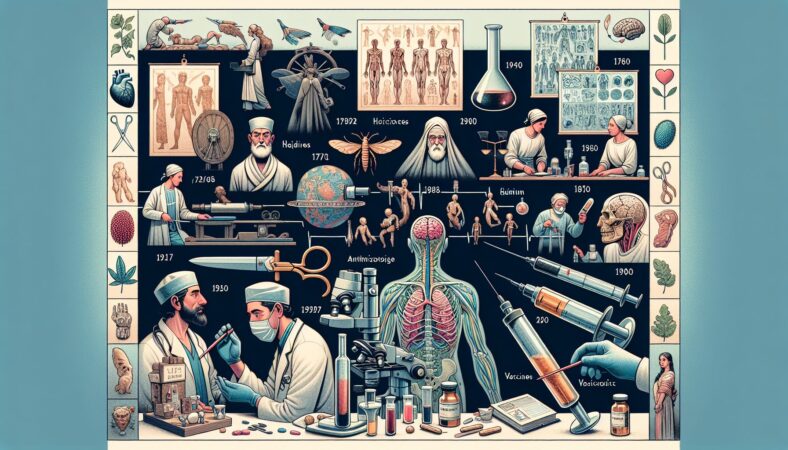
Medical science has come a long way since the dawn of human civilization. Over the centuries, humanity has witnessed extraordinary advancements in diagnosing, treating, and preventing diseases. From ancient remedies based on superstition to the sophisticated technology of today, medical science has proven its ability to transform lives. Let us delve into the remarkable journey of medical science, from its beginnings to where it stands today.

The Ancient Wisdom: Primitive Medicine

Centuries ago, medicine was firmly rooted in the wisdom and practices of ancient civilizations. The early medical traditions of civilizations such as Egypt, China, India, and Greece laid down the foundation for medical science as we know it today. Although these practices might appear primitive now, they held remarkable significance at the time.

Ancient Egyptians, for instance, relied on a combination of practical and spiritual remedies to treat various ailments. They used natural substances such as herbs, animal organs, and minerals. Similarly, Ayurveda, an ancient Indian system, emphasized the balance between mind, body, and spirit to maintain optimal health.

Revolutionary Discoveries and Scientific Revolution

The medical landscape took a significant leap forward during the Renaissance period and the scientific revolution that followed. The works of great minds such as Leonardo da Vinci, Galileo Galilei, and Andreas Vesalius paved the way for empirical observations and a deeper understanding of the human body.

In the 18th and 19th centuries, groundbreaking discoveries emerged, significantly transforming medical science. Edward Jenner’s development of the smallpox vaccine and Louis Pasteur’s germ theory revolutionized the understanding of infectious diseases and led to the development of more effective treatments.

Modern Medicine: From Antibiotics to Genomics

The 20th century saw unprecedented advancements in medical science, forever changing the way diseases are diagnosed and treated. One of the most significant breakthroughs was the discovery of antibiotics, which helped combat deadly infectious diseases and increased life expectancy worldwide.

Another groundbreaking milestone was the unraveling of the human genome. The completion of the Human Genome Project in 2003 paved the way for personalized medicine, enabling targeted treatments based on an individual’s unique genetic makeup. This extraordinary development holds tremendous potential for treating illnesses with greater precision and efficacy.

Tech Revolution: The Future of Medical Science

With the rapid advancement of technology, medical science has entered a new era. Artificial intelligence, machine learning, and robotics are poised to revolutionize healthcare. The integration of these cutting-edge technologies allows for faster, more accurate diagnoses, efficient data analysis, and the development of innovative treatments.

Telemedicine has also emerged as a crucial facet of modern healthcare, especially during the recent global pandemic. Remote consultations, wearable devices, and digital health records have made healthcare more accessible and convenient, breaking down barriers of distance and resources.

Conclusion

Medical science has traversed a remarkable path throughout history, transcending ancient remedies to embrace cutting-edge technology. From the wisdom of ancient civilizations to the recent explosion of scientific discoveries, medical science has continuously transformed and evolved. As we look to the future, we can anticipate even more exciting breakthroughs, shaping a world where diseases are conquered and healthcare becomes more personalized than ever before. Let us celebrate the remarkable achievements of medical science and remain hopeful for a healthier and brighter future for all.

The Fascinating World of Medical Science

Medical science is a broad and captivating field that encompasses various disciplines focused on improving human health and well-being. From diagnosing and treating diseases to advancing medical technologies, this field has revolutionized the way we understand and address our health concerns. In this blog post, we will explore the remarkable advancements brought about by medical science and why it continues to be a cornerstone of modern healthcare.

Unveiling the Importance of Medical Science

Medical science plays a vital role in identifying, understanding, and addressing diseases that affect millions of lives worldwide. Without it, we would be left ignorant and helpless in the face of many health challenges. The discoveries and innovations driven by medical science have been key in saving countless lives throughout history.

The Wonders of Modern Diagnostics

One of the most significant contributions of medical science lies in the realm of diagnostics. Thanks to advancements in this field, healthcare professionals are now equipped with a wide range of tools and techniques to accurately identify diseases. Diagnostic tests, such as imaging scans, blood tests, and genetic screenings, enable early detection, allowing for timely interventions. This can significantly improve patient outcomes and, in some cases, even prevent diseases from progressing.

Innovative Treatments and Therapies

Medical science continuously pushes the boundaries of what is possible in terms of treating illnesses. From pharmaceutical advancements to targeted therapies, medical science has granted us tools to combat diseases that were once thought incurable. With ongoing research and clinical trials, new treatments are being developed, offering hope to patients worldwide. Whether it is a groundbreaking cancer treatment or a life-saving organ transplant, medical science leads us towards a future where many previously devastating conditions become manageable or even curable.

Advancing Medical Technologies

The development and implementation of cutting-edge medical technologies have transformed the way healthcare is delivered. From robotic surgeries to smart implants, these innovations enhance the precision, effectiveness, and safety of medical procedures. Medical science has paved the way for revolutionary techniques, enabling faster recovery times, minimal invasiveness, and improved patient comfort. As technology continues to advance, the possibilities in the field of medical science are endless.

The Ongoing Pursuit of Knowledge

Medical science is an ever-evolving field that relies on research and collaboration. Scientists and healthcare professionals are constantly seeking answers to unanswered questions, exploring the unknown, and pushing the boundaries of current knowledge. Through rigorous studies, clinical trials, and academic research, medical science continues to uncover new mysteries, deepen our understanding of the human body, and develop innovative solutions.

Conclusion

Medical science is a captivating and essential discipline that shapes our understanding of health and medicine. Its incredible advancements in diagnostics, treatments, and technologies continue to transform the field of healthcare as we know it. As we move forward, the pursuit of scientific knowledge and breakthroughs will undoubtedly contribute to better health outcomes and a brighter future for all.

**The Marvels of Medical Science**

Introduction

Medical science has made remarkable progress over the years, revolutionizing healthcare and improving the quality of human life. Through relentless dedication, rigorous research, and groundbreaking innovations, medical scientists have constantly pushed the boundaries of knowledge and discovery. In this article, we delve into the incredible advancements that have taken place in the field of medical science, shaping the way we understand and treat various medical conditions.

Body

  1. Diagnostic Advancements

In the realm of medical science, diagnostics play a crucial role in identifying diseases accurately and at an early stage. With the advent of cutting-edge technologies such as magnetic resonance imaging (MRI), computed tomography (CT) scans, and genetic testing, previously undetectable or hard-to-diagnose conditions have become accessible. These techniques provide vital insights into the human body, allowing for better-targeted treatments and improved patient outcomes.

  1. Precision Medicine

Gone are the days of generalized treatments; medical science has now paved the way for precision medicine, where treatments are tailored to individual patients. By analyzing a person’s genetic makeup, lifestyle factors, and other relevant medical information, physicians can provide personalized treatment plans. This approach minimizes adverse effects and ensures the best possible outcome for patients, indicating a paradigm shift towards patient-centric healthcare.

  1. Advancements in Surgery

Medical science has witnessed tremendous progress in surgical techniques, transforming the way procedures are performed. From minimally invasive surgeries to robotic-assisted procedures, patients now experience shorter recovery times, reduced pain, and improved surgical outcomes. The integration of advanced imaging techniques during surgeries has made navigation within the body more precise, enabling surgeons to target affected areas with unprecedented accuracy.

  1. Promising Pharmaceutical Developments

Pharmaceutical advancements have fueled medical science’s growth, leading to the discovery of life-saving drugs and innovative treatment options. Breakthrough medicines have not only improved the management of chronic diseases but have also eradicated or significantly reduced the severity of once-deadly infections. Medical scientists continue to explore new frontiers, developing novel therapies to combat previously untreatable conditions.

  1. Pioneering Research and Development

Groundbreaking research serves as the backbone of medical science, laying the groundwork for new therapeutic approaches. From stem cell research and regenerative medicine to immunotherapy and nanotechnology, the possibilities seem endless. Scientists worldwide work relentlessly to unravel the mysteries of the human body, opening doors to novel interventions that could potentially revolutionize healthcare in the future.

Conclusion

Medical science has truly transformed the landscape of healthcare, thanks to the constant evolution and remarkable innovations that continue to shape the field. With advancements in diagnostics, precision medicine, surgery, and pharmaceuticals, patients can benefit from more accurate diagnoses, tailored treatments, improved surgical outcomes, and life-changing medications. Pioneering research and development continue to push the boundaries of medical science, offering hope for future breakthroughs. As we look forward, it is remarkable to witness the positive impact medical science has on the lives of millions, making us all grateful for the marvels it brings.

The Transformative Power of Medical Science

Medical science has undoubtedly revolutionized the way we understand and treat diseases. Over the years, groundbreaking research and innovative technologies have enabled us to make significant strides in improving healthcare outcomes and saving lives. This blog post will explore the incredible advancements in medical science and the transformative impact they have had on society.

Introduction: The Ever-Evolving Field of Medical Science

In recent decades, medical science has made remarkable progress in multiple areas, ranging from diagnostics and treatment to prevention and patient care. Gone are the days when illnesses were seen as mysterious and untreatable. Today, medical science has empowered physicians and healthcare professionals with an arsenal of tools and knowledge to tackle a vast array of diseases.

The Power of Early Diagnosis and Precision Medicine

One of the most significant breakthroughs in medical science has been the development of advanced diagnostic tools. These tools enable early detection and characterization of diseases, increasing the chances of successful treatment. For instance, imaging technologies like Magnetic Resonance Imaging (MRI) and Computed Tomography (CT) scans have revolutionized our ability to visualize internal structures and identify abnormalities. Early diagnosis allows for timely interventions and personalized treatment plans, leading to improved patient outcomes.

Furthermore, the advent of precision medicine has opened new possibilities in tailored therapy. By analyzing an individual’s genetic profile, doctors can now prescribe medications that are specifically targeted to a patient’s unique genetic makeup. This personalized approach increases treatment effectiveness while minimizing side effects, making it a game-changer in the field of medical science.

Inventing New Treatments and Therapies

Medical science has also made significant strides in developing novel treatments and therapies. The field of pharmacology has witnessed incredible advancements, resulting in the discovery and production of highly effective medications. From antibiotics to antivirals and anticancer drugs, pharmaceutical innovations have saved countless lives and improved the quality of life for millions.

Additionally, medical science has paved the way for revolutionary therapies such as gene therapy and immunotherapies. These cutting-edge approaches are transforming the treatment landscape for conditions that were once considered incurable. Gene therapy, for example, shows immense potential in treating genetic diseases by replacing or repairing faulty genes. Likewise, immunotherapies harness the power of the immune system to fight cancer and other diseases, offering new hope to patients with limited treatment options.

Empowering Patients and Promoting Preventive Care

Medical science is not just about treating diseases; it also emphasizes preventive care and patient empowerment. Research in public health and epidemiology has shed light on the importance of lifestyle modifications, early screenings, and vaccination programs in reducing the burden of disease. Moreover, advancements in digital health technology have given individuals the power to monitor their health, track vital signs, and access medical information at their fingertips.

Conclusion: A Bright Future for Medical Science

The achievements of medical science have had a profound impact on society, saving lives, improving health outcomes, and enhancing overall well-being. As research continues to push boundaries and technology continues to evolve, we can only expect even more transformative breakthroughs in the coming years. From personalized treatments to preventative care, medical science is undoubtedly the key to a healthier future.

We owe a great debt to the countless scientists, researchers, and healthcare professionals who work tirelessly to advance the field of medical science. Their efforts are a testament to human ingenuity and our collective pursuit of a world where diseases are conquered and lives are transformed.

So let us celebrate the transformative power of medical science, and eagerly anticipate the remarkable discoveries and advancements that lie ahead.

The Marvels of Medical Science

The field of medical science has undoubtedly revolutionized the way we understand, treat, and prevent various diseases and conditions. It encompasses a vast range of disciplines, from biological research and pharmacology to surgery and patient care. With its constant advancements and innovative breakthroughs, medical science continues to reshape our understanding of the human body and improve countless lives every day.

The Ever-Evolving Landscape of Medical Science

Medical science is a dynamic and ever-evolving field. Researchers and scientists tirelessly explore new frontiers, seeking to unravel the intricacies of the human body and develop novel treatments. This constant evolution is crucial to staying ahead of emerging diseases, improving current medical practices, and finding cures for previously incurable conditions.

One aspect that sets medical science apart is its reliance on evidence-based research and rigorous methodology. Medical scientists conduct extensive studies, often involving clinical trials, to ensure the safety and efficacy of new treatments or medications. Such scientific scrutiny provides a solid foundation for medical advancements, giving patients and healthcare providers confidence in the effectiveness of these interventions.

Pioneering Discoveries and Advancements

Over the years, medical science has witnessed groundbreaking discoveries that have shaped the course of healthcare. From the development of antibiotics to the invention of life-saving vaccines, these milestones have not only saved countless lives but have also opened up new possibilities for future medical breakthroughs.

For instance, the discovery of antibiotics revolutionized the treatment of bacterial infections, previously a leading cause of mortality. Alexander Fleming’s accidental discovery of penicillin in 1928 was a turning point in medical history, making way for the development of numerous life-saving antibiotics. Today, common infections like pneumonia and urinary tract infections can be effectively treated, thanks to the wonders of antibiotics.

Similarly, the advent of vaccines has transformed the prevention of infectious diseases. Vaccines help bolster the immune system by introducing harmless versions of pathogens, preparing the body to mount a robust defense against future encounters with the actual disease-causing agents. This ingenious method has eradicated or significantly reduced the impact of diseases like smallpox, polio, and measles, saving countless lives worldwide.

A Multidisciplinary Approach

Medical science thrives on collaboration across multiple disciplines. It brings together medical professionals, scientists, engineers, and researchers from various backgrounds to collectively tackle complex healthcare challenges. This multidisciplinary approach fosters innovation and synergy, allowing for comprehensive and holistic solutions.

By integrating technology and medical science, we have witnessed phenomenal advancements. From robotic-assisted surgeries to minimally invasive procedures, technological innovations continue to enhance precision, reduce recovery time, and improve overall patient outcomes.

The Promise of a Bright Future

The future of medical science holds immense promise and potential. As technology continues to evolve, we can expect further advancements on various fronts. Artificial intelligence and machine learning are revolutionizing diagnostics, allowing for more accurate and rapid identification of diseases. Gene editing technologies, such as CRISPR, hold the potential to cure genetic disorders by precisely modifying an individual’s DNA.

Moreover, personalized medicine is becoming increasingly prevalent. By leveraging genetic information, medical practitioners can tailor treatments to an individual’s unique genomic composition. This allows for more effective therapies and the prevention of adverse drug reactions, showcasing the incredible potential of medical science in improving patient care.

Embracing the Constant Exploration

Medical science is an ever-churning sea of exploration, discovery, and innovation. With each new finding, humanity takes another step forward in conquering diseases, healing the wounded, and improving overall well-being. It is through the tireless efforts of medical researchers, healthcare professionals, and scientists that we continue to witness astonishing advancements.

As we look towards the future, let us celebrate the wonders of medical science and its profound impact on our lives. By staying curious, informed, and supportive, we can contribute to a world where health and well-being are universally accessible, thanks to the marvels of medical science.

The Exciting Frontier of Medical Science

Medical science is a fascinating and dynamic field that has made remarkable strides in improving healthcare outcomes. With ongoing research, advancements in technology, and innovative approaches, medical science continues to push the boundaries of what is possible. In this blog post, we will explore some of the amazing developments in medical science that are shaping the future of healthcare.

The Power of Genomic Medicine

One of the most significant advancements in medical science is the field of genomic medicine. The study of the entire DNA sequence, known as the genome, has opened up new avenues for personalized medicine. By analyzing an individual’s genetic makeup, doctors can gain insights into their risk of developing certain diseases or the potential response to specific treatments. This knowledge allows for more targeted and effective interventions, improving patient outcomes.

Leveraging Artificial Intelligence

Artificial intelligence (AI) has found its way into various aspects of medical science and is revolutionizing healthcare delivery. AI algorithms can analyze vast amounts of patient data, helping physicians develop more accurate diagnoses and treatment plans. Additionally, AI-powered robotic surgery systems enable surgeons to perform complex procedures with enhanced precision, reducing the risk of complications and improving patient recovery rates.

Exploring the Frontiers of Nanotechnology

Nanotechnology is another exciting field within medical science. By manipulating matter at the nanoscale, scientists can develop innovative therapies and tools with unprecedented precision. For example, nanosensors can detect diseases at an early stage, significantly improving the chances of successful treatment. Nanoparticles are also being explored for targeted drug delivery, ensuring medication reaches specific cells or organs while minimizing side effects.

Advancements in Biotechnology

Biotechnology has opened up a world of possibilities in medical science. From developing new medications and therapies to creating bioengineered organs, the potential applications of biotechnology are vast. Researchers are continuously exploring how genetic engineering and stem cell therapy can be harnessed to treat previously incurable conditions. The development of artificial organs and tissue engineering techniques holds promise for transplantation, reducing the reliance on donor organs.

The Future of Medical Science

The future of medical science is incredibly promising. Breakthroughs in fields like regenerative medicine, immunotherapy, and precision medicine are paving the way for more effective treatments and better patient outcomes. Collaborations between scientists, physicians, and engineers are bringing together diverse expertise to tackle complex healthcare challenges. The development of personalized treatments based on an individual’s unique genetic blueprint will revolutionize how diseases are managed.

In conclusion, medical science continues to push boundaries, fueling breakthroughs that are reshaping the future of healthcare. From exploring the human genome to leveraging AI and nanotechnology, the possibilities seem endless. As we continue to invest in research and foster interdisciplinary collaborations, the potential for medical science to positively impact human health is truly exciting. Embracing these advancements will lead us to a future where diseases once considered incurable become manageable, prolonging and improving lives.