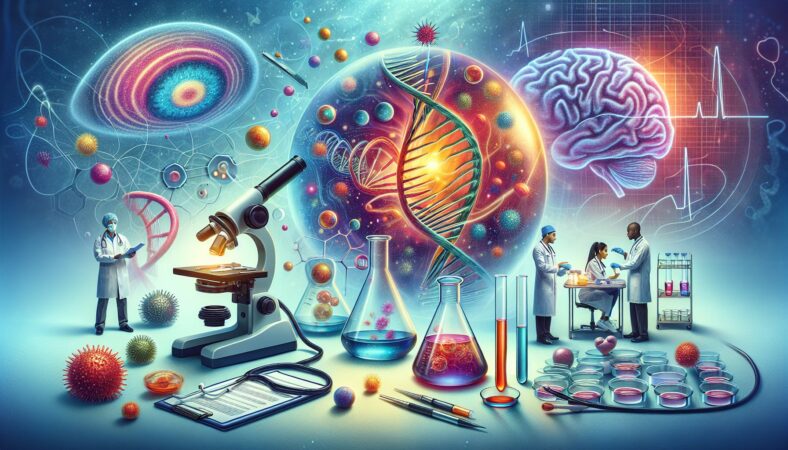
Imagine a world where diseases cannot be cured, injuries cannot be healed, and life expectancy is drastically reduced. Thankfully, we do not live in such a world. Thanks to the incredible advancements in medical science, we now have the ability to understand, diagnose, and treat a wide range of health conditions. From the simplest of infections to the most complex surgical procedures, medical science has revolutionized healthcare and saved countless lives. In this article, we will explore the wonders of medical science and the impact it has had on humanity.
The Power of Diagnosis
One of the most significant contributions of medical science is in the field of diagnosis. Gone are the days when doctors had to rely solely on their intuition or limited knowledge to determine the cause of a patient’s symptoms. Today, sophisticated tools such as blood tests, imaging techniques, and genetic screenings allow us to identify diseases and abnormalities with incredible accuracy. These advancements not only enable early detection and prompt treatment but also provide valuable insights into the underlying mechanisms of various conditions, leading to future breakthroughs.
Life-Saving Treatments
Medical science has given rise to a myriad of life-saving treatments that have transformed the face of healthcare. From antibiotics that can cure once-deadly infections to chemotherapy that fights cancer cells, these treatments have significantly improved survival rates and enhanced the quality of life for patients. Additionally, medical researchers are constantly exploring novel therapies such as immunotherapy and regenerative medicine, pushing the boundaries of what is possible in the realm of healthcare.
Surgical Innovations
The field of surgery has also been revolutionized by medical science. Advancements in anesthesia and surgical techniques have made even the most intricate and high-risk operations safer and more successful. Surgeons can now perform procedures with minimal invasiveness, leading to reduced pain, shorter recovery times, and smaller scars. Furthermore, robotic-assisted surgeries have allowed for enhanced precision and accuracy, resulting in improved outcomes and patient satisfaction.
Prevention and Public Health
Medical science not only focuses on treating diseases but also on preventing them altogether. Through extensive research and public health campaigns, scientists have identified risk factors and developed preventive measures that have tackled some of the most common health issues. Vaccinations, for example, have eradicated many previously deadly diseases and continue to protect millions of lives around the world. Medical science has also played a vital role in raising awareness about the importance of a healthy lifestyle, leading to reduced rates of obesity, smoking, and other preventable conditions.
Conclusion
The wonders of medical science are truly awe-inspiring. From accurate diagnosis and life-saving treatments to groundbreaking surgical techniques and preventive measures, medical science has transformed the way we approach healthcare. As we continue to unravel the mysteries of the human body and delve deeper into the realms of genetics and technology, the possibilities for advancements in medical science are boundless. Let us celebrate the ingenuity of scientists, doctors, and researchers who dedicate their lives to pushing the boundaries of what is possible, ultimately improving the health and well-being of people worldwide.