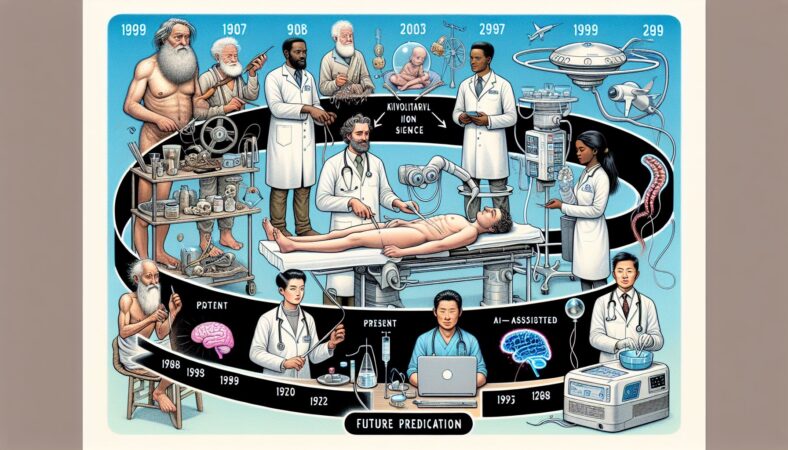
Medical science has come a long way in recent years, revolutionizing the way we diagnose, treat, and prevent diseases. Through groundbreaking research and technological advancements, we are witnessing incredible breakthroughs that are transforming healthcare and improving lives. From gene editing to artificial organs, the possibilities seem endless. Let’s dive into some of these remarkable advancements in medical science.
Gene Editing: Unlocking the Secrets of Life
Gene editing, particularly with the revolutionary CRISPR-Cas9 technology, has opened new doors in medical science. This technique allows scientists to make precise changes to an organism’s DNA, with the potential to eliminate genetic diseases altogether. Although still in its early stages, gene editing holds promise for preventing and curing diseases like cancer, cystic fibrosis, and muscular dystrophy. This cutting-edge research could ultimately reshape the treatment and prevention of genetic disorders.
Precision Medicine: Tailoring Treatments to Individuals
While traditional medicine treats ailments based on the average response of a population, precision medicine aims to individualize healthcare. By analyzing an individual’s genetic makeup, lifestyle, and environment, doctors can tailor treatments specifically to their unique characteristics. This approach maximizes the effectiveness of therapies and minimizes side effects. Precision medicine has already shown remarkable success in cancer treatment, where targeted therapies have significantly improved patient outcomes.
Artificial Intelligence: Shaping the Future of Healthcare
The integration of artificial intelligence (AI) into medical science has unleashed a new era of possibilities. AI algorithms can analyze vast amounts of patient data, identify patterns, and provide accurate diagnoses with remarkable speed. Not only does this assist doctors in making timely and accurate decisions, but it also helps uncover hidden insights and predicts disease outcomes. Furthermore, AI-driven robotic surgery is becoming increasingly common, enabling more precise procedures and faster recovery times.
Organ Transplantation: Growing Hope in the Lab
The shortage of organ donors has been a significant challenge in medical science. However, advancements in regenerative medicine are offering new hope. Scientists can now grow functional organs in the lab using stem cells and tissue engineering techniques. Although still in its infancy, this field shows great promise to provide a solution to organ shortages, reducing the risks associated with transplantation and saving countless lives.
Conclusion
The remarkable advancements in medical science are transforming healthcare as we know it. From gene editing and precision medicine to AI-driven diagnostics and regenerative medicine, the future of healthcare is promising. These breakthroughs hold the potential to eradicate genetic diseases, tailor treatments to individuals, enhance the accuracy of diagnoses, and even grow organs in the lab. As medical science continues to progress, we can look forward to a healthier and more promising future for all.