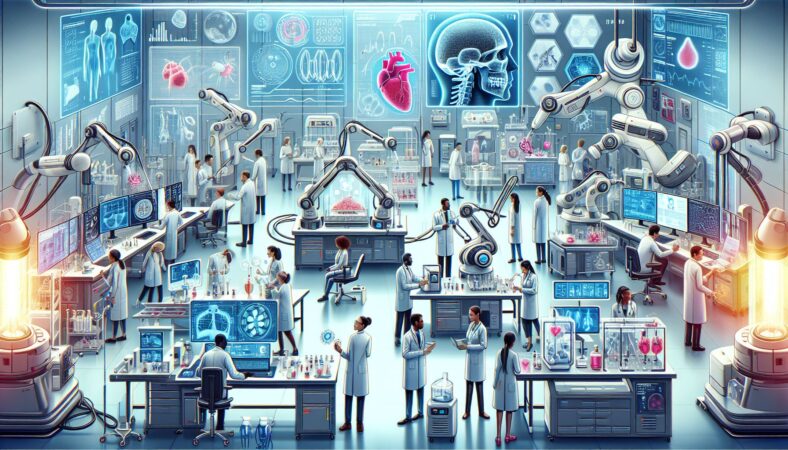
Medical science is a constantly evolving field that plays a pivotal role in our lives. From diagnosing diseases to developing innovative treatments, medical advancements have transformed healthcare and improved the quality of life for millions of people worldwide. In this article, we will explore some of the incredible advancements in medical science that have revolutionized the way we approach health and wellness.
Breakthroughs in Diagnostics
Accurate diagnosis is the first step towards effective treatment, and medical science has made remarkable strides in this area. Today, doctors have access to a myriad of sophisticated diagnostic tools and techniques that enable them to identify diseases with unprecedented precision.
Magnetic Resonance Imaging (MRI) and Computed Tomography (CT) scanning have revolutionized how we visualize the internal structures of the human body. These non-invasive procedures provide detailed images, aiding in the detection and diagnosis of various conditions such as tumors, bone fractures, and neurological disorders.
Moreover, advancements in genetic testing have propelled medical science further. With the ability to analyze an individual’s DNA, doctors can now identify genetic markers for various diseases, allowing for early intervention, personalized treatment plans, and the potential for prevention in some cases.
Cutting-Edge Treatments
Medical science has pushed the boundaries of what we thought was possible in terms of treatment options. Breakthroughs in pharmaceuticals, surgical techniques, and alternative therapies have changed the landscape of healthcare.
In the realm of pharmaceuticals, the development of targeted therapies has revolutionized cancer treatment. These drugs selectively attack cancer cells while sparing healthy cells, mitigating the severe side effects associated with traditional chemotherapy. Moreover, immunotherapies harness the power of the body’s immune system to fight cancer, offering new hope for patients.
Surgical techniques have also seen significant advancements. Minimally invasive procedures, such as laparoscopy, use small incisions and specialized instruments, resulting in shorter recovery times, reduced risk of complications, and improved patient outcomes. Furthermore, robotic surgery has given surgeons enhanced precision and control, especially in delicate procedures, leading to better surgical outcomes.
Alternative therapies, once viewed with skepticism, are now gaining recognition in medical science. Techniques like acupuncture, meditation, and herbal medicine are being integrated into mainstream healthcare, complementing traditional treatments and providing holistic approaches to healing.
Future Promises
The future of medical science holds even more exciting prospects. Rapid advancements in technology, such as artificial intelligence (AI) and nanotechnology, are expected to have a profound impact on healthcare.
AI has the potential to revolutionize diagnostics, prediction of disease progression, and the discovery of new therapies. By analyzing vast amounts of medical data, AI algorithms can identify patterns, predict outcomes, and provide personalized treatment plans. This integration of AI and medical science has the potential to truly transform healthcare and make it more efficient and effective.
Nanotechnology, on the other hand, involves manipulating matter at the atomic and molecular scale. In medicine, nanotechnology allows for the precise delivery of drugs, targeted imaging, and even repairing damaged cells. These advancements could lead to more effective treatments with minimal side effects.
Conclusion
Medical science continues to push the boundaries of what is possible in healthcare. From breakthroughs in diagnostics to cutting-edge treatments, advancements in medical science have improved the lives of individuals worldwide. As we look towards the future, the promises of AI, nanotechnology, and other emerging technologies offer hope for even greater advancements in the field. Through interdisciplinary collaboration and continued research, medical science will undoubtedly continue to revolutionize healthcare and shape a healthier world for all.