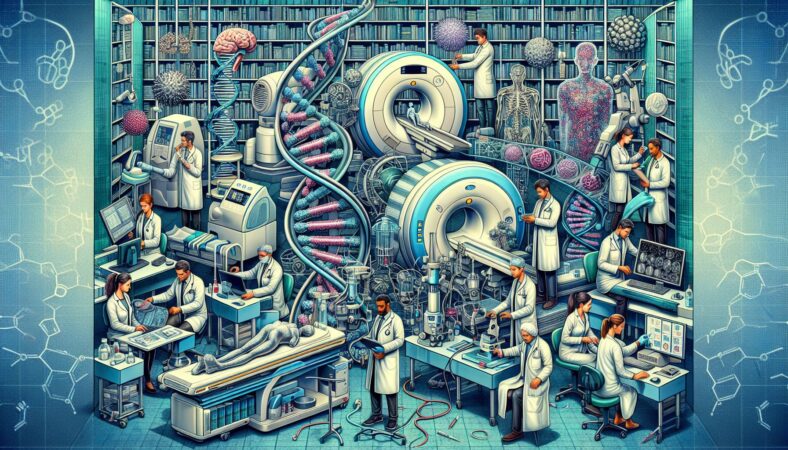
The field of medical science is an incredible domain that has revolutionized the way we understand and treat illnesses. Countless breakthroughs and discoveries have been made over the years, leading to improved health outcomes and better quality of life for individuals around the world. In this article, we will explore some of the fascinating aspects of medical science and the impacts it has had on humanity.
The Power of Research and Experimentation
At the core of medical science lies research and experimentation. Scientists and medical professionals tirelessly work to uncover the underlying mechanisms of diseases, develop new treatments, and enhance existing ones. Through rigorous trials and testing, they validate hypotheses and determine the efficacy and safety of potential interventions. This scientific approach ensures that medical practices are evidence-based and constantly advancing.
Advancements in Diagnostics
One of the most significant advancements in recent years has been the development of cutting-edge diagnostic tools. We now have sophisticated imaging techniques like magnetic resonance imaging (MRI), computed tomography (CT) scans, and ultrasounds that allow doctors to visualize internal structures with unprecedented accuracy. Additionally, breakthroughs in genetic testing and biomarkers have revolutionized the way we detect and diagnose diseases, enabling earlier interventions and more targeted treatments.
Innovative Treatments and Therapies
Medical science has also given rise to a plethora of innovative treatments and therapies. From antiretroviral drugs that have transformed the management of HIV to immunotherapies that unleash the body’s immune system to fight cancer, remarkable progress has been made in treating various conditions. Furthermore, regenerative medicine, such as stem cell therapy, shows promising potential for repairing damaged tissues and organs, offering hope to patients with previously untreatable conditions.
Preventive Medicine and Public Health
While medical science excels in treating diseases, it also emphasizes the importance of prevention. Advancements in public health measures, such as vaccines, have eradicated or significantly reduced the incidence of numerous deadly diseases like smallpox and polio. Moreover, increased awareness and education about healthy lifestyle choices and early detection have helped in preventing the onset of many chronic illnesses. By focusing on prevention, medical science aims to reduce the burden on healthcare systems and enhance overall well-being.
The Ethical Challenges
Despite the incredible progress made by medical science, it also presents certain ethical challenges. With advancements like genetic engineering and reproductive technologies, questions arise regarding the potential misuse and ethical implications. Striking a balance between scientific progress and ethical considerations is crucial to ensure that medical science continues to benefit humanity without compromising moral values and respecting individuals’ autonomy.
Conclusion
Medical science is a never-ending journey of discovery, innovation, and compassion. Through tireless research, it has unlocked the mysteries of the human body, developed life-saving treatments, and paved the way for a healthier future. From improved diagnostics to groundbreaking therapies, medical science has transformed the landscape of healthcare. As we continue to delve deeper into the realms of medical science, we should always navigate with an unwavering commitment to ethics, ensuring that the wonders of science are utilized responsibly for the betterment of all.