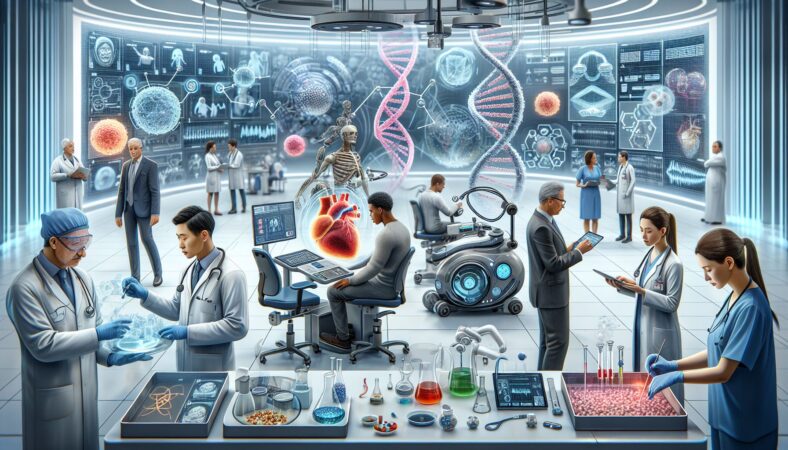
Medical science is an ever-evolving field that has made remarkable advancements over the years. By merging technology and research, medical professionals have been able to unravel the mysteries of the human body, develop life-changing treatments, and improve overall healthcare. In this article, we will explore some of the incredible breakthroughs in medical science and their impact on society.
The Human Genome Project: Decoding Our Blueprint
One of the most significant milestones in medical science was the completion of the Human Genome Project in 2003. This ambitious project aimed to map the entire human genome, enabling researchers to identify and understand the functions of the approximately 20,000 genes within our DNA. This breakthrough has revolutionized personalized medicine, allowing physicians to tailor treatments to an individual’s unique genetic makeup. By identifying genetic predispositions to certain diseases, doctors can now predict and prevent illnesses, thus significantly improving patient outcomes.
Telemedicine: Bridging Gaps for Better Access
In recent years, advancements in technology have brought about the rise of telemedicine. This innovative approach to healthcare allows patients to consult with healthcare professionals remotely, eliminating the need for in-person visits. Telemedicine has proven particularly invaluable in rural and underserved areas where access to healthcare can be limited. This virtual connection between doctors and patients also offers convenience, saves time, and reduces healthcare costs. As telemedicine continues to evolve, it has the potential to change healthcare delivery as we know it.
Artificial Intelligence: Enhancing Diagnostics and Treatment
Artificial intelligence (AI) has found a crucial role in the field of medical science, offering incredible opportunities for diagnosis, treatment, and research. Machine learning algorithms can analyze vast amounts of medical data, from electronic health records to medical images, at speeds far exceeding human capabilities. This has led to improved diagnostic accuracy, early disease detection, and the development of personalized treatment plans. AI-powered robotic surgical systems have also transformed the operating room, allowing for minimally invasive surgeries with unparalleled precision. With ongoing AI advancements, the future of medicine holds great promise for enhancing patient care.
Stem Cell Research: Unlocking Regenerative Medicine
Stem cells, with their remarkable ability to differentiate into various cell types, have opened up new possibilities in regenerative medicine. Through stem cell research, scientists can now potentially regenerate damaged tissues and organs, offering hope to those suffering from debilitating conditions such as spinal cord injuries or heart disease. This field of study also holds potential for advanced drug testing, providing a more accurate representation of human response to medications. Despite the ethical considerations surrounding stem cell research, its impact on medical science cannot be understated.
Conclusion
Medical science continues to push boundaries, uncovering new knowledge and transforming healthcare. From the decoding of the human genome to cutting-edge technologies like telemedicine, AI, and stem cell research, each advancement brings us closer to a future with better prevention, diagnosis, and treatment of diseases. As we look ahead, it is crucial to support and invest in medical research, as it holds the key to further breakthroughs that will shape the health of generations to come.