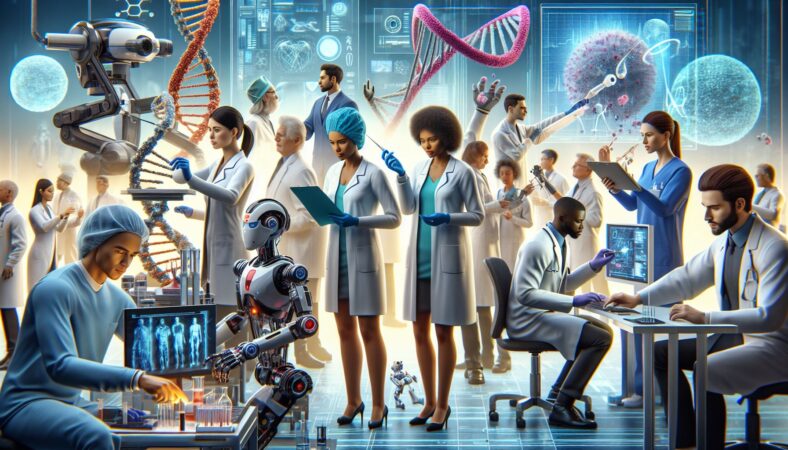
Medical science has made incredible strides in recent years, revolutionizing the way we understand and treat various diseases and conditions. From groundbreaking research to cutting-edge technologies, the field of medicine has never been more promising. In this article, we will explore some of the most significant advancements in medical science and their potential impact on healthcare.
Introduction to Medical Science
Medical science encompasses a wide range of disciplines devoted to understanding the human body, diagnosing diseases, and developing effective treatments. It includes fields like pharmacology, genetics, immunology, and neuroscience, among others. As researchers and scientists continue to push the boundaries of knowledge, new discoveries and innovative techniques are transforming healthcare in remarkable ways.
The Power of Precision Medicine
One of the most exciting developments in medical science is the emergence of precision medicine. Traditionally, medical treatments were often developed based on a one-size-fits-all approach. However, thanks to advances in technology and genomics, precision medicine tailors treatments to individual patients, taking into account their unique genetic makeup, lifestyle, and environment. This approach has the potential to revolutionize treatment outcomes, enabling more personalized and effective healthcare.
Immunotherapy and Cancer Treatment
Immunotherapy, a cutting-edge approach to cancer treatment, has shown exceptional promise in recent years. This revolutionary technique harnesses the power of the body’s immune system to fight cancer cells. By stimulating the immune system or providing it with the necessary tools to target cancer cells, immunotherapy offers a more targeted and less invasive alternative to traditional treatments such as chemotherapy. It has already yielded remarkable results in treating various types of cancer, offering hope to patients worldwide.
Breakthroughs in Neuroscience
Our understanding of the brain and nervous system has significantly advanced with the help of medical science. Neurological disorders like Alzheimer’s, Parkinson’s, and epilepsy have long posed significant challenges to healthcare professionals. However, through intensive research and technological advancements, treatments and interventions have improved. Brain-machine interfaces, deep brain stimulation, and gene therapy hold great promise in alleviating symptoms and improving the quality of life for patients with neurological conditions.
Revolutionary Imaging Techniques
Medical imaging has come a long way, allowing healthcare professionals to diagnose and treat diseases more effectively. Techniques like magnetic resonance imaging (MRI), computed tomography (CT), and positron emission tomography (PET) provide detailed insights into the human body, enabling earlier and more accurate diagnoses. These powerful imaging tools are essential in detecting conditions such as cancer, cardiovascular disease, and neurological disorders, ultimately contributing to better patient outcomes.
Conclusion
The field of medical science continues to advance at an unprecedented rate, providing us with hope and new possibilities. Precision medicine, immunotherapy, breakthroughs in neuroscience, and revolutionary imaging techniques are just a few examples of how medical science is shaping the future of healthcare. As researchers delve deeper into understanding the intricacies of the human body, we can look forward to more innovative treatments and improved patient care. With each scientific breakthrough, we move closer to a world where diseases are not only treatable but preventable – a world where medical science paves the way for healthier lives.