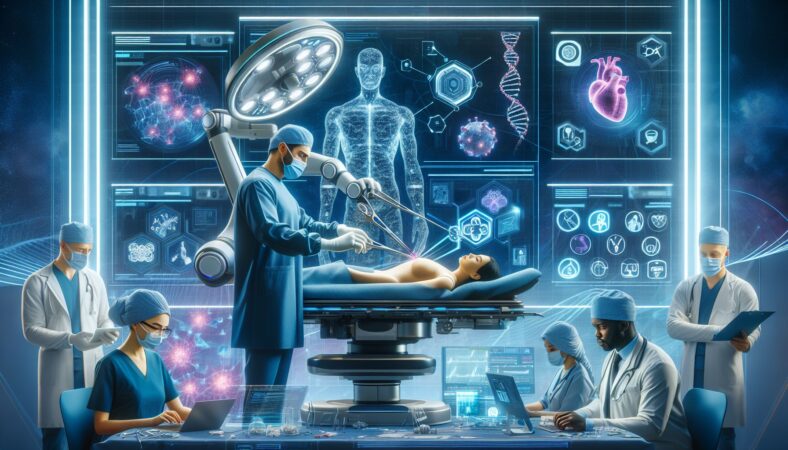
Medical science has come a long way in improving our understanding of diseases and enhancing patient care. With groundbreaking advancements and continuous research, medical science is transforming the future of healthcare. In this blog post, we will explore how medical science is shaping the way we diagnose, treat, and prevent diseases.
The Evolution of Medical Science
Over the years, medical science has undergone significant evolution. In the past, treatments were often based on trial and error, lacking a comprehensive understanding of diseases. However, with scientific advancements and technological breakthroughs, medical science has made enormous strides towards evidence-based practices.
One key area where medical science has revolutionized healthcare is in the field of diagnostics. Sophisticated imaging techniques, such as MRI and CT scans, along with innovative laboratory tests, allow for more accurate and early disease detection. This early diagnosis empowers healthcare professionals to initiate timely treatments and improve patient outcomes.
Additionally, medical science has greatly improved our understanding of the human body’s intricate mechanisms. With the advent of genomics and molecular biology, scientists can now unravel the secrets hidden within our DNA. This knowledge can identify genetic predispositions to diseases, enabling personalized medicine and targeted therapies.
Advancements in Treatment
Medical science has played a crucial role in developing novel treatment options. Traditional methods like surgery, chemotherapy, and radiation therapy have been refined and optimized to provide better results and fewer side effects. Furthermore, groundbreaking research has led to the discovery of specialized drugs, such as biologics and immunotherapies, which target specific disease pathways for more effective treatment outcomes.
The field of regenerative medicine is another exciting area of medical science that holds immense promise. Scientists are now exploring the potential of stem cells to repair damaged tissues and organs, offering hope for patients with previously untreatable conditions. With ongoing research, regenerative medicine might transform the way we approach various diseases in the future.
Preventing Diseases and Promoting Health
Medical science not only focuses on curing diseases but also emphasizes preventive measures. Through extensive research, healthcare professionals can now identify risk factors for certain diseases and develop preventive strategies. Vaccinations, for instance, have played a crucial role in eradicating and minimizing the impact of numerous infectious diseases worldwide.
Moreover, medical science has contributed to a greater understanding of lifestyle-related illnesses. By researching the effects of diet, exercise, and environmental factors on overall health, scientists can provide evidence-based recommendations to prevent chronic conditions like hypertension, diabetes, and obesity.
Conclusion
Medical science continues to push the boundaries of healthcare, making remarkable advancements and transforming patient care. From early diagnostics to cutting-edge treatments and preventive strategies, the influence of medical science on our lives is undeniable. As research continues to pave the way for groundbreaking discoveries, we can look forward to a future where diseases are better understood, managed, and prevented. Exciting times lie ahead as medical science opens new doors for human health and well-being.