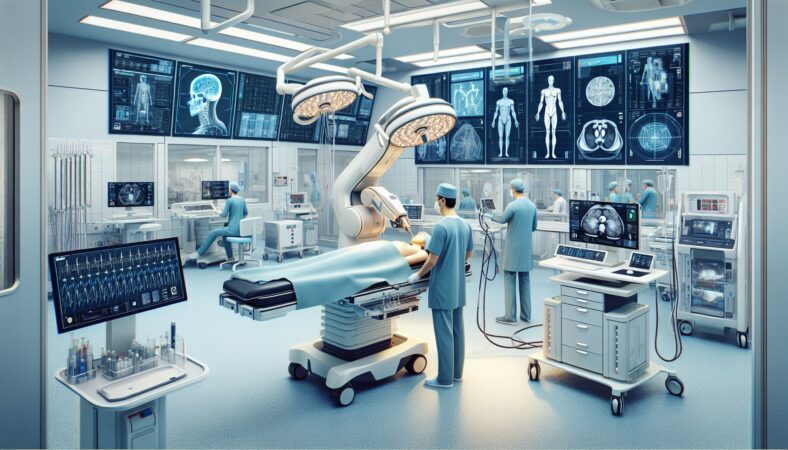
With rapidly evolving technologies, medical science has made groundbreaking advancements in recent years. These innovations have not only revolutionized healthcare but also saved countless lives. From diagnostic tools to treatment techniques, the progress in medical science has transformed the way we approach health-related issues. In this article, we will delve into some of these incredible advancements and their impact on modern medicine.
The Power of Precision Medicine
In the past, medical treatments were often generalized, assuming that one size fits all. However, with the emergence of precision medicine, this approach is changing. Precision medicine utilizes an individual’s genetic makeup, lifestyle, and environment to tailor treatments specific to their needs. The analysis of genetic variations becomes a crucial component in identifying potential diseases and their appropriate treatments. By personalizing medical interventions, precision medicine enhances effectiveness while minimizing adverse reactions.
Thanks to advancements in genomics and bioinformatics, precision medicine has seen significant progress. Genetic testing, for instance, can identify specific gene mutations that increase the risk of certain diseases. Armed with this information, healthcare providers can develop targeted prevention plans or design specialized treatment strategies.
The Rise of Telemedicine
Telemedicine has emerged as a powerful tool in broadening access to healthcare services while overcoming geographical barriers. With the aid of technology, patients can receive medical consultations remotely, regardless of their location. This advancement is particularly beneficial for individuals residing in rural areas or those unable to travel easily. Telemedicine reduces the need for physical visits, making healthcare more accessible while minimizing unnecessary expenses.
Telemedicine also plays a vital role in emergencies. Remote consultations allow healthcare professionals to assess critical conditions quickly, providing guidance to individuals or on-site medical staff until help arrives. This prompt response can potentially save lives, particularly in situations where time is of the essence.
Artificial Intelligence in Healthcare
The integration of artificial intelligence (AI) in healthcare has bolstered diagnostic accuracy and treatment effectiveness. Machine learning algorithms, for example, can analyze vast amounts of medical data and identify patterns invisible to the human eye. This enables early detection of potential diseases and assists in developing tailored treatment plans.
Moreover, AI applications streamline administrative tasks, optimize hospital workflows, and reduce the burden on healthcare professionals. By automating repetitive processes, AI systems free up time for medical staff, enabling them to focus more on patient care and enhancing overall efficiency.
Conclusion
The progress made in medical science, driven by technological advancements, has remarkably transformed healthcare systems worldwide. Precision medicine harnesses the power of an individual’s genetic information to provide personalized treatments, improving outcomes and minimizing adverse effects. Telemedicine revolutionizes the delivery of healthcare services, assuring accessibility and prompt response, particularly in remote or emergency situations. Lastly, the integration of artificial intelligence enhances diagnostic accuracy, treatment planning, and administrative tasks, ultimately optimizing patient care.
As we move forward, it is important to acknowledge the vast potential of medical science and continuously support research and development. By embracing innovation, we can pave the way for a healthier future, where healthcare is increasingly efficient, effective, and accessible to all.