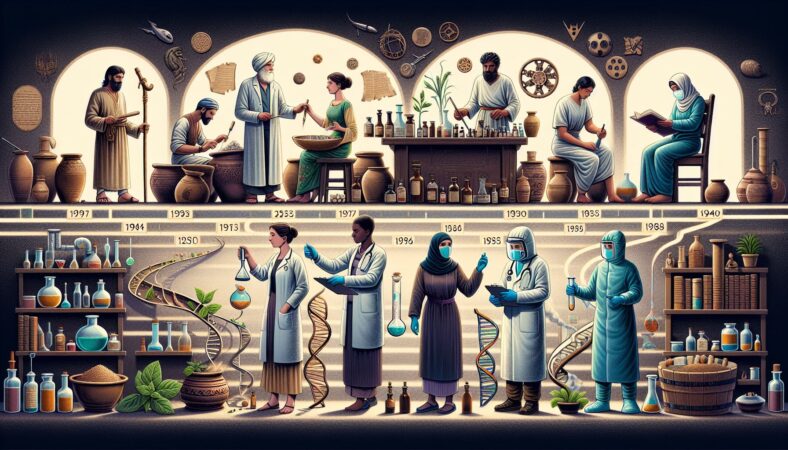
Medical science has come a long way over the years, with advancements that have revolutionized the way we prevent, diagnose, and treat diseases. From the discovery of antibiotics to the development of groundbreaking surgical procedures, the field of medicine continues to push the boundaries of what is possible.
One of the most significant breakthroughs in medical science was the discovery of antibiotics in the early 20th century. Before this, infections were a leading cause of death, with no effective treatments available. The discovery of penicillin by Alexander Fleming changed the course of medicine, saving countless lives and paving the way for the development of other life-saving antibiotics.
In addition to antibiotics, advancements in imaging technology have also had a profound impact on medical science. The invention of the X-ray by Wilhelm Roentgen in 1895 allowed doctors to see inside the body without invasive procedures, leading to more accurate diagnoses and improved outcomes for patients. Today, technologies like MRI and CT scans provide even more detailed images, helping doctors detect and treat diseases earlier than ever before.
Surgical procedures have also evolved significantly in recent decades, with minimally invasive techniques becoming more common. Procedures that once required large incisions and lengthy recovery times can now be performed through small, keyhole incisions, allowing patients to recover faster and with less pain. Robotic surgery has further advanced the field, allowing for more precise and controlled operations.
The field of genetics has also made remarkable strides in recent years, with the discovery of the human genome and advancements in gene editing technology. This has led to the development of new treatments for genetic disorders, as well as personalized medicine tailored to an individual’s unique genetic makeup. These advancements have the potential to revolutionize healthcare, offering more targeted and effective treatments for a wide range of conditions.
While the progress made in medical science is truly remarkable, it is important to remember that new challenges continue to emerge. The rise of antibiotic resistance, for example, threatens to undo much of the progress made in the fight against infectious diseases. Researchers continue to work tirelessly to find new solutions to these challenges, highlighting the importance of ongoing innovation in the field of medicine.
In conclusion, the evolution of medical science has been nothing short of incredible. From the discovery of antibiotics to the development of cutting-edge technologies, the field of medicine continues to push the boundaries of what is possible. As we look to the future, we can only imagine what new advancements will shape the way we prevent, diagnose, and treat diseases in the years to come.