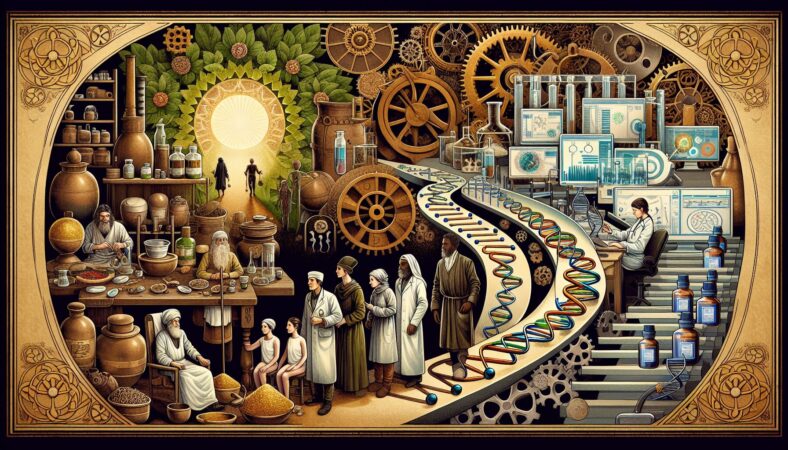
Medical science is constantly evolving, becoming increasingly complex yet remarkably effective in the pursuit of improving human health and well-being. Over the past few decades, we have witnessed groundbreaking advancements that have revolutionized the medical field, from diagnostic techniques to life-saving treatments. In this article, we will explore some of the remarkable breakthroughs and their impact on society.
The Introduction of Precision Medicine
Gone are the days when doctors relied solely on trial and error to treat patients. Precision medicine, a pioneering branch of medical science, has transformed the way we approach disease and treatment. It involves tailoring medical interventions to each patient’s genetic makeup, lifestyle, and environment. By considering these factors, medical professionals can provide personalized care, enhancing the effectiveness and safety of treatments.
This approach has spurred the development of targeted therapies for various diseases. For instance, in oncology, doctors can now identify specific mutations driving a patient’s cancer and prescribe treatments that directly target these mutations. Precision medicine not only increases the chances of successful treatment but also reduces the risk of adverse side effects.
The Power of Immunotherapy
Immunotherapy has emerged as a powerful tool in the fight against cancer. This groundbreaking approach harnesses the body’s immune system to target and destroy cancer cells. Unlike traditional treatments like chemotherapy and radiation, which may harm healthy cells in the process, immunotherapy aims to selectively attack cancer cells, minimizing collateral damage.
Several immunotherapies have already revolutionized cancer treatment. Immune checkpoint inhibitors, for example, have shown remarkable success in patients with advanced melanoma, lung cancer, and other malignancies. By blocking proteins that prevent immune cells from recognizing and attacking cancer cells, these drugs unleash the full potential of the immune system to combat the disease.
The Rise of Artificial Intelligence in Healthcare
Artificial intelligence (AI), an area of computer science, has made significant inroads in healthcare, transforming the diagnosis and treatment of diseases. AI algorithms can analyze vast amounts of medical data, rapidly detecting patterns that may elude human cognition. This capability enables timely and accurate diagnoses, leading to more effective treatments.
Moreover, AI holds promise in areas such as drug discovery and precision medicine. Machine learning algorithms can sift through extensive databases to identify potential drug candidates, expediting the development of new therapeutics. By crunching genetic and clinical data, AI systems can predict patient responses to different treatments, helping doctors make informed decisions and tailor interventions to individual needs.
Conclusion
The advancements in medical science have revolutionized healthcare, presenting countless opportunities for both patients and medical professionals. Precision medicine allows for personalized treatments, maximizing efficacy and safety. Immunotherapy has provided new hope in the battle against cancer, sparing patients from the harsh side effects of conventional therapies. AI is transforming diagnostics and drug discovery, enhancing healthcare delivery and paving the way for more tailored approaches.
As medical science continues to progress, we can anticipate further remarkable breakthroughs that will shape the future of healthcare. These advancements will improve patient outcomes, democratize access to quality care, and undoubtedly contribute to a healthier and more prosperous society.