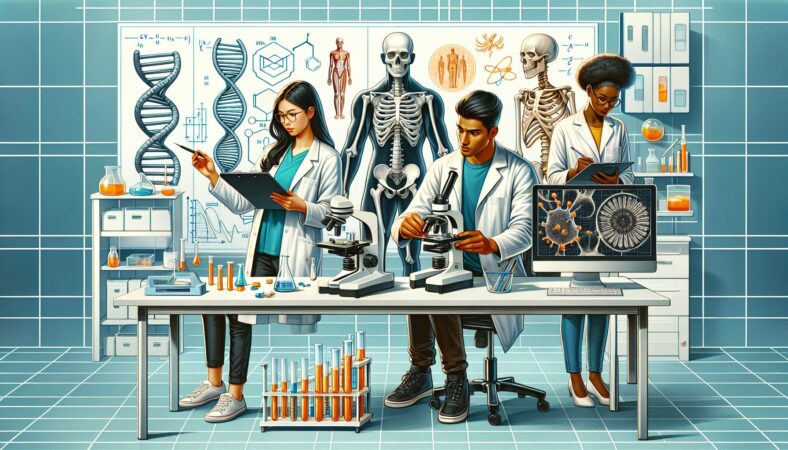
Medical science has revolutionized the way we understand and treat diseases. Through rigorous research, dedicated scientists and doctors have made remarkable discoveries that have improved the quality of healthcare worldwide. In this blog post, we will explore the field of medical science, from its emergence to its current advancements, and appreciate the invaluable contributions it has made to society.
The Emergence of Medical Science
Medical science, also known as biomedical science or simply medicine, refers to the application of scientific principles in the pursuit of understanding the human body, its diseases, and their treatments. It has its roots in ancient civilizations, where people observed and documented medical experiences. However, it was not until the 19th century that the field truly began to flourish.
The discovery of bacteria and the development of the germ theory by Louis Pasteur and Robert Koch laid the foundation for modern medicine. Prior to this breakthrough, diseases were attributed to supernatural causes or environmental factors, hindering progress in the field. With the germ theory, medical professionals could identify specific pathogens responsible for illnesses and develop targeted treatments.
Advancements in Medical Science
Since the advent of medical science, numerous breakthroughs have shaped the landscape of healthcare. The discovery of antibiotics, such as penicillin, revolutionized the treatment of bacterial infections. Vaccines have virtually eradicated diseases like polio and smallpox. Surgical techniques, aided by advancements in anesthesia and sterilization, have become safer and more effective.
Furthermore, medical science has made significant strides in understanding complex diseases. Through extensive research, we have unraveled the intricacies of conditions like cancer, diabetes, and cardiovascular disorders. This understanding has led to the development of novel treatments, including targeted therapies and personalized medicine. Medical science has also paved the way for cutting-edge technologies like artificial intelligence, genetic engineering, and nanomedicine, offering exciting possibilities for the future.
The Importance of Medical Science
Medical science plays a pivotal role in improving global health outcomes. By understanding the mechanisms underlying diseases, researchers can develop effective prevention strategies and treatments. Through clinical trials and evidence-based medicine, medical science ensures that healthcare interventions are safe, efficient, and reliable. It enables the development of guidelines and protocols that support healthcare professionals in delivering high-quality care.
Moreover, medical science promotes interdisciplinary collaboration among researchers, doctors, nurses, and other allied health professionals. This collaborative approach fosters a holistic understanding of diseases and allows for comprehensive patient care. It also encourages the exchange of knowledge and expertise, encouraging ongoing advancements in the field.
Conclusion
Medical science continues to push the boundaries of our understanding of the human body and its diseases. From its humble origins to the remarkable advancements of today, it has transformed healthcare, saving countless lives and improving quality of life. As we appreciate the contributions of medical science, let us also acknowledge the relentless dedication of scientists, doctors, and healthcare professionals who strive to unravel the mysteries of medicine and create a healthier future for all.