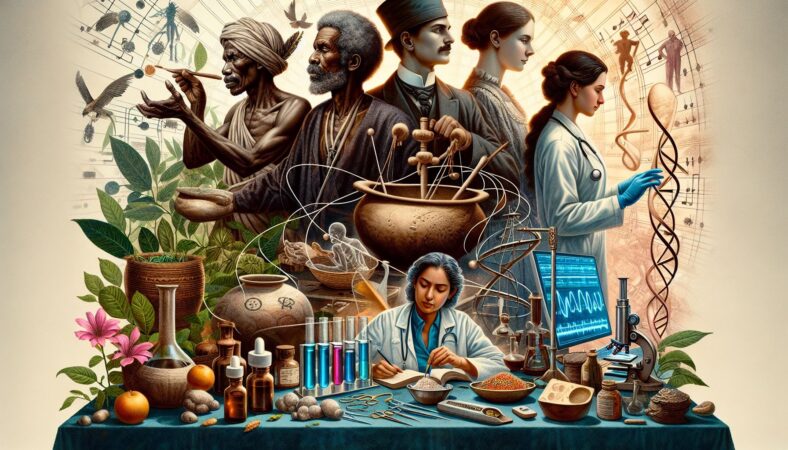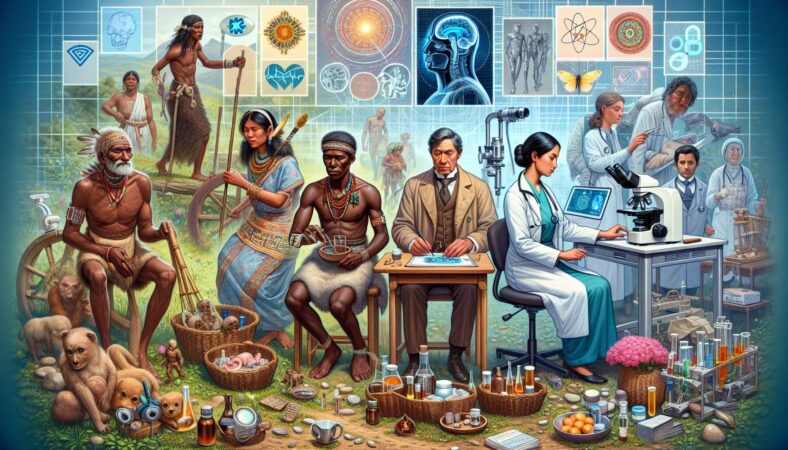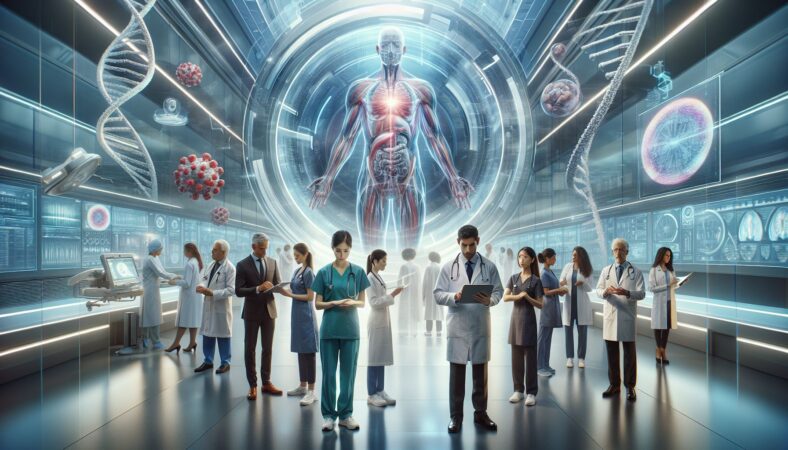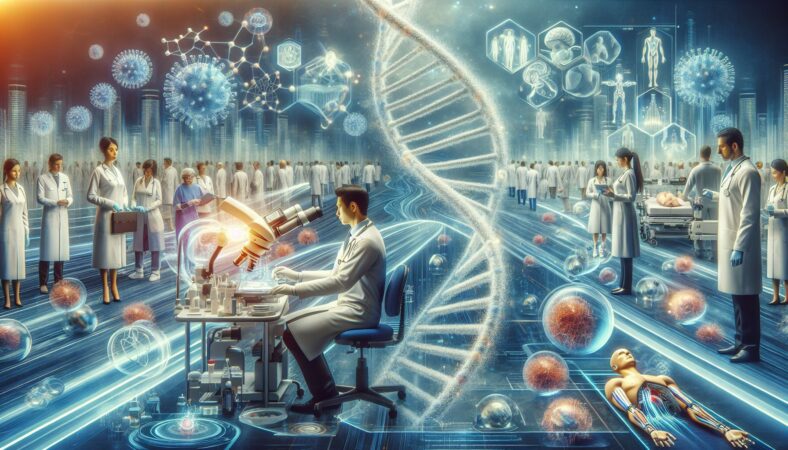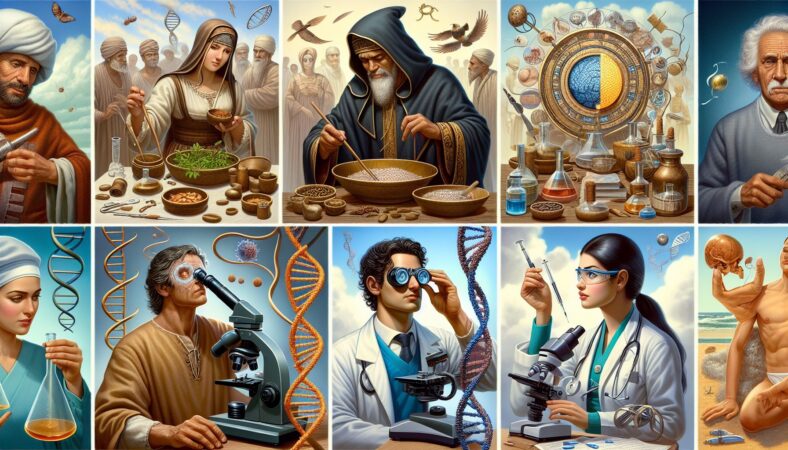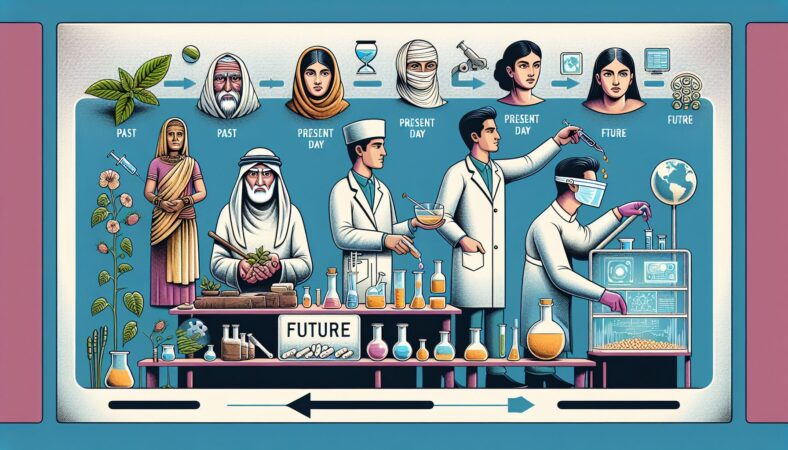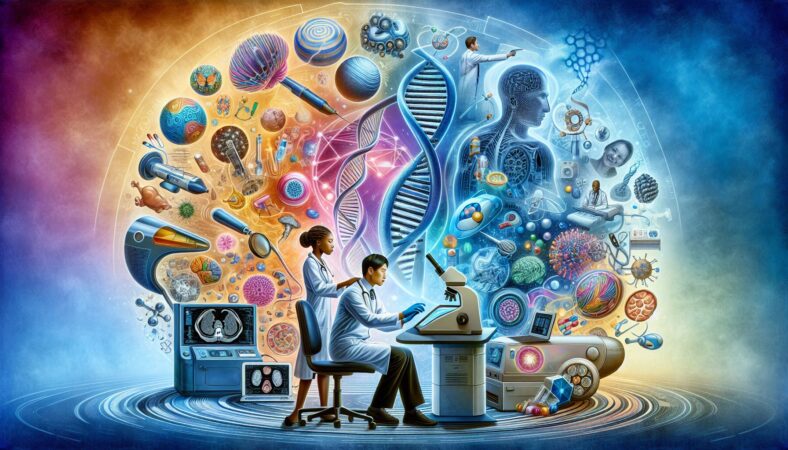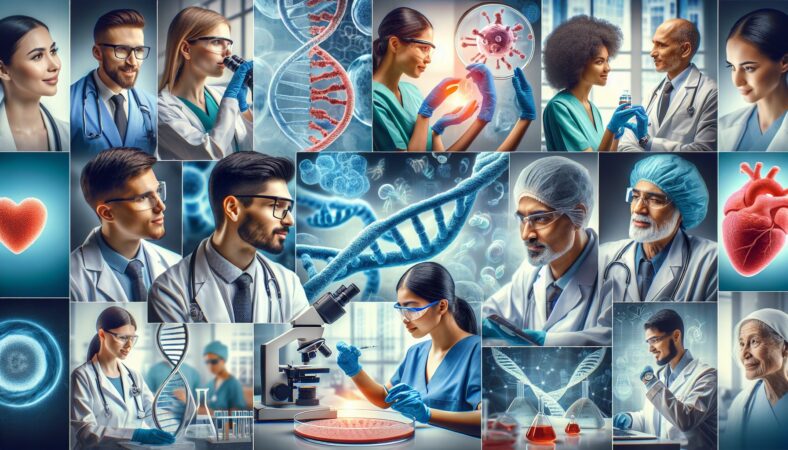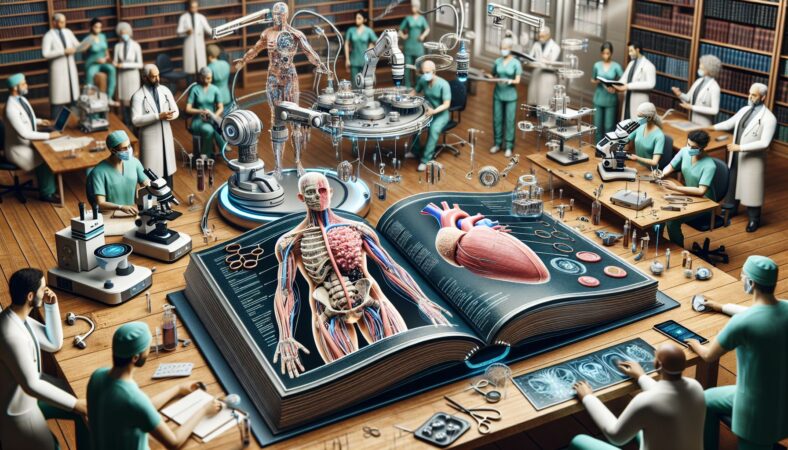
Medical science, a field that blends the knowledge of biology, chemistry, and technology, has revolutionized healthcare in unimaginable ways. It is the driving force behind numerous breakthroughs in diagnostics, treatment options, and preventive medicine. From finding solutions for incurable diseases to improving the overall quality of life, medical science continues to save lives and transform healthcare worldwide.
The Power of Medical Science
Medical science has enabled doctors to diagnose diseases with greater accuracy, leading to earlier interventions and improved outcomes for patients. Advanced imaging techniques like MRI and CT scans allow professionals to visualize internal structures, identifying abnormalities that were previously undetectable.
Furthermore, medical science has brought us incredible progress in the treatment of once incurable diseases. For example, diseases like HIV/AIDS, which were once considered a death sentence, are now managed effectively through antiretroviral therapy. Medical research continues to explore potential cures and vaccines, providing hope for a healthier future for all.
Precision Medicine: A Game-Changer
In recent years, medical science has also paved the way for personalized or precision medicine. This innovative approach customizes treatments based on an individual’s genetic makeup, lifestyle, and environmental factors. It takes into account the notion that each person’s biology is unique, allowing for more effective and targeted interventions.
By analyzing an individual’s genetic information, medical professionals can predict disease susceptibility, determine suitable medication dosages, and suggest lifestyle modifications. This personalized approach not only enhances treatment outcomes but also reduces adverse reactions and side effects.
Cutting-Edge Technologies
Medical science is continuously evolving thanks to innovative technologies. One notable example is telemedicine, a concept that has gained tremendous momentum in recent years. Through telemedicine, patients can consult with doctors remotely, reducing the need for in-person visits. This is particularly valuable for those in rural areas who may have limited access to healthcare facilities.
Another groundbreaking technology is robotic surgery, which allows for more precise and minimally invasive procedures. Robotic surgical systems enhance the surgeon’s dexterity and provide better visualization, resulting in reduced recovery times, minimal scarring, and improved patient outcomes.
Challenges and Future Outlook
While medical science has achieved remarkable feats, there are still challenges to overcome. The cost of healthcare remains high, limiting accessibility for many individuals. Additionally, ethical concerns regarding genetic testing, personalized medicine, and privacy need careful consideration to ensure equitable and responsible implementation.
However, the future of medical science looks promising. The integration of artificial intelligence (AI) and machine learning will enable faster and more accurate diagnoses. The use of nanotechnology and gene editing techniques holds the potential to revolutionize drug delivery and eradicate previously untreatable conditions.
In Conclusion
Medical science has undoubtedly transformed healthcare and saved countless lives. From early disease detection and individualized treatments to cutting-edge technologies, it continues to shape the way we approach human health. While challenges persist, the advancements and future possibilities of medical science shine a light on a future where diseases that were once devastating may become a thing of the past. By investing in research, embracing innovation, and ensuring equitable access, we can further unlock the potential of medical science and pave the way for a healthier world.