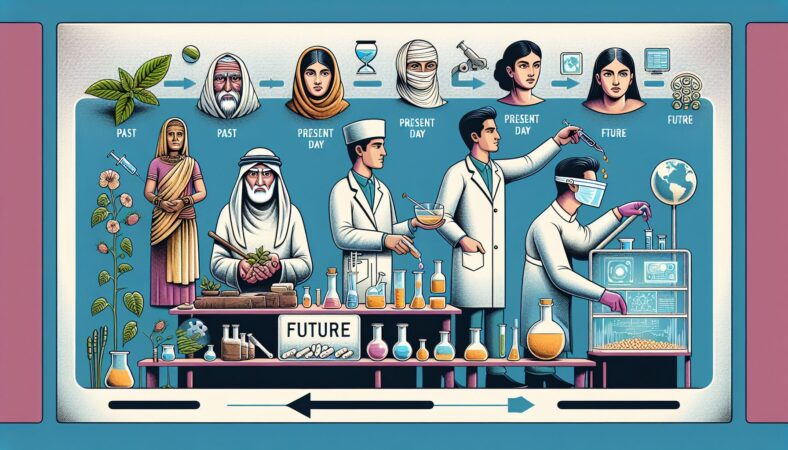
Medical science has come a long way since its inception, revolutionizing the way we understand and treat illnesses. Over the years, ground-breaking discoveries and innovative technologies have propelled the field of medicine forward, allowing healthcare professionals to provide better care, prolong lives, and improve quality of life. In this article, we will explore some of the most significant advancements in medical science, highlighting their impact on modern healthcare.
The Introduction of Vaccines: Eradicating Devastating Diseases
One of the most influential breakthroughs in medical science was the development of vaccines. Vaccines have played a crucial role in eradicating and controlling deadly diseases, such as smallpox and polio. Thanks to vaccines, these once-terrifying illnesses are now a thing of the past, saving countless lives worldwide. The science behind vaccines has continued to evolve, with researchers now exploring the potential of mRNA technology and its applications in fighting various diseases, including COVID-19.
Antibiotics: A Weapon Against Bacterial Infections
The discovery of antibiotics revolutionized the treatment of bacterial infections, saving millions of lives. Antibiotics work by killing or inhibiting the growth of bacteria, effectively putting an end to once life-threatening infections. However, the rise of antibiotic resistance has become a significant concern in recent years. Medical scientists are continuously researching ways to tackle this issue, searching for alternative treatments and promoting responsible antibiotic use to preserve their effectiveness.
Precision Medicine: Personalized Treatment Approaches
Medical science has moved towards a more personalized approach to patient care with the advent of precision medicine. This field aims to tailor medical decisions, treatments, and prevention strategies to an individual’s unique genetic makeup, lifestyle, and environment. By analyzing a patient’s genetic characteristics, doctors can offer treatments that are more effective, safer, and have fewer side effects. Precision medicine has already shown great promise in cancer treatment, where targeted therapies have resulted in improved outcomes and increased survival rates.
Robotic Surgery: Enhancing Precision and Minimizing Invasiveness
Robotic surgery has transformed the way complex surgical procedures are performed. Using robotic systems, surgeons can operate with enhanced precision, control, and flexibility. These systems offer smaller incisions, reducing the risk of complications and recovery time for patients. Furthermore, their intuitive interfaces allow surgeons to execute intricate maneuvers, enabling procedures that were previously challenging or even impossible. While robotic surgery is still evolving, advancements in this field continue to expand the possibilities and improve patient outcomes.
Conclusion: Embracing the Future of Medical Science
Medical science has made remarkable strides to advance healthcare, impacting countless lives along the way. From vaccines that have eliminated devastating diseases to precision medicine that tailors treatments to an individual’s unique needs, these advancements continue to shape the future of medicine. As technology and understanding progress, we can only imagine the breakthroughs medical science will bring in the years to come. With the unwavering dedication of researchers and healthcare professionals, the next generation of medical advancements promises a healthier and brighter future for us all.