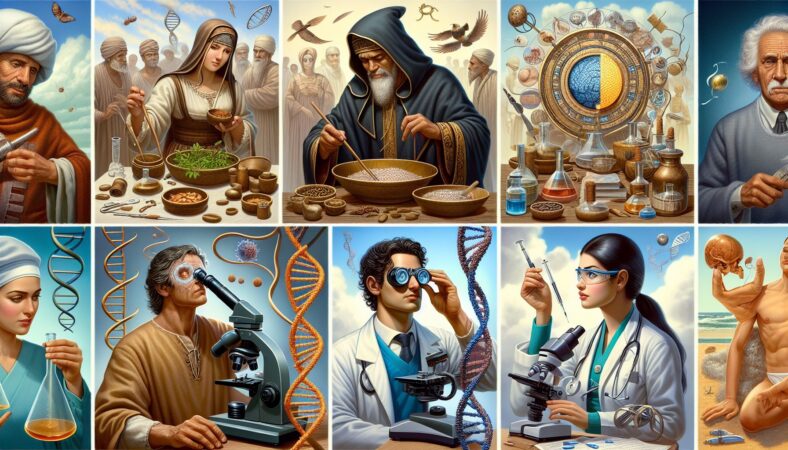
Medical science has come a long way over the centuries, enabling us to understand and combat diseases that were once deemed incurable. From groundbreaking discoveries to innovative technologies, the field of medical science has transformed healthcare and saved countless lives. In this article, we explore some of the incredible advancements that have revolutionized the world of medicine.
The Power of Antibiotics
One of the most remarkable breakthroughs in medical science was the discovery of antibiotics. In the early 20th century, Alexander Fleming accidentally stumbled upon the first antibiotic, penicillin, which revolutionized the treatment of bacterial infections. Since then, numerous antibiotics have been developed, effectively combating once life-threatening diseases. The ability to fight infections with the power of antibiotics has significantly reduced mortality rates, saving millions of lives worldwide.
Cutting-Edge Imaging Techniques
Medical science has also made tremendous strides in the realm of diagnostic imaging techniques. X-rays, discovered by Wilhelm Roentgen in 1895, allowed doctors to visualize the internal structures of the body and diagnose fractures and diseases. Over time, more advanced techniques such as magnetic resonance imaging (MRI) and computed tomography (CT) scans were developed, providing detailed and non-invasive images of the human body. These innovative technologies have significantly improved diagnostic accuracy and paved the way for effective treatment plans.
The Genomic Revolution
Perhaps one of the most groundbreaking advancements in recent years has been the genomic revolution. The mapping of the human genome has unlocked an incredible wealth of information about our genetic makeup. This newfound knowledge has had a profound impact on medical research and personalized medicine. It has allowed us to identify genetic predispositions to certain diseases, develop targeted therapies, and even predict an individual’s response to specific medications. The genomic revolution holds great promise for the future of medicine, offering personalized treatments and preventive strategies.
Robotics and Minimally Invasive Surgery
Medical science has also made significant progress in the field of surgical procedures. The advent of robotics and minimally invasive techniques has revolutionized the way surgeries are performed. These advanced technologies allow surgeons to perform complex procedures with greater precision, smaller incisions, and reduced patient trauma. Robotic-assisted surgeries have become increasingly common and are being used in various specialties, from cardiac surgery to urology. The development of these techniques has facilitated quicker recovery times and improved patient outcomes.
Conclusion
The advancements in medical science have undoubtedly transformed healthcare and our understanding of the human body. From the discovery of antibiotics to cutting-edge imaging techniques, the genomic revolution, and robotics in surgery, these breakthroughs have revolutionized medical practices and improved patient care. We can only anticipate that future developments in medical science will continue to push the boundaries of what is possible, leading to further advancements and ultimately, a healthier tomorrow.