Author: Don Hernandez

The Incredible Advancements in Medical Science

Medical science has come a long way over the centuries, enabling us to understand and combat diseases that were once deemed incurable. From groundbreaking discoveries to innovative technologies, the field of medical science has transformed healthcare and saved countless lives. In this article, we explore some of the incredible advancements that have revolutionized the world of medicine.

The Power of Antibiotics

One of the most remarkable breakthroughs in medical science was the discovery of antibiotics. In the early 20th century, Alexander Fleming accidentally stumbled upon the first antibiotic, penicillin, which revolutionized the treatment of bacterial infections. Since then, numerous antibiotics have been developed, effectively combating once life-threatening diseases. The ability to fight infections with the power of antibiotics has significantly reduced mortality rates, saving millions of lives worldwide.

Cutting-Edge Imaging Techniques

Medical science has also made tremendous strides in the realm of diagnostic imaging techniques. X-rays, discovered by Wilhelm Roentgen in 1895, allowed doctors to visualize the internal structures of the body and diagnose fractures and diseases. Over time, more advanced techniques such as magnetic resonance imaging (MRI) and computed tomography (CT) scans were developed, providing detailed and non-invasive images of the human body. These innovative technologies have significantly improved diagnostic accuracy and paved the way for effective treatment plans.

The Genomic Revolution

Perhaps one of the most groundbreaking advancements in recent years has been the genomic revolution. The mapping of the human genome has unlocked an incredible wealth of information about our genetic makeup. This newfound knowledge has had a profound impact on medical research and personalized medicine. It has allowed us to identify genetic predispositions to certain diseases, develop targeted therapies, and even predict an individual’s response to specific medications. The genomic revolution holds great promise for the future of medicine, offering personalized treatments and preventive strategies.

Robotics and Minimally Invasive Surgery

Medical science has also made significant progress in the field of surgical procedures. The advent of robotics and minimally invasive techniques has revolutionized the way surgeries are performed. These advanced technologies allow surgeons to perform complex procedures with greater precision, smaller incisions, and reduced patient trauma. Robotic-assisted surgeries have become increasingly common and are being used in various specialties, from cardiac surgery to urology. The development of these techniques has facilitated quicker recovery times and improved patient outcomes.

Conclusion

The advancements in medical science have undoubtedly transformed healthcare and our understanding of the human body. From the discovery of antibiotics to cutting-edge imaging techniques, the genomic revolution, and robotics in surgery, these breakthroughs have revolutionized medical practices and improved patient care. We can only anticipate that future developments in medical science will continue to push the boundaries of what is possible, leading to further advancements and ultimately, a healthier tomorrow.
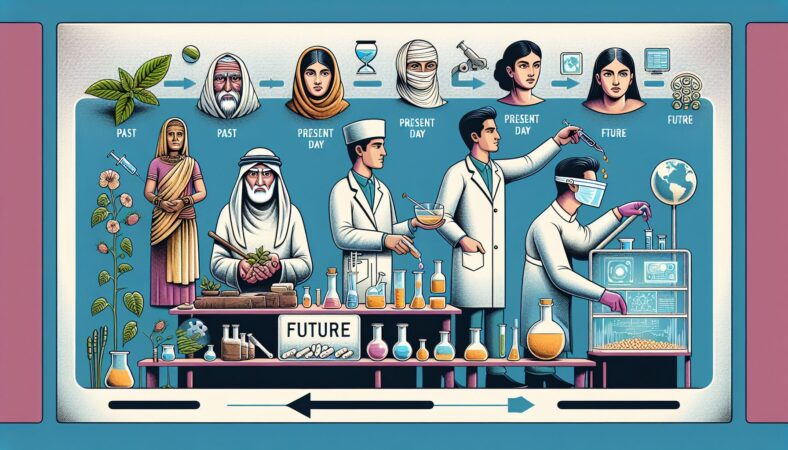
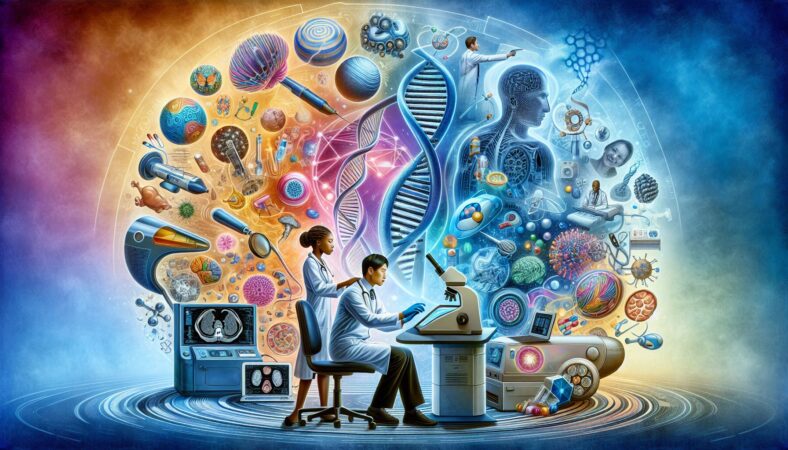
The Evolution of Medical Science: Advancements that Transformed Healthcare

Medical science has come a long way since its inception, revolutionizing the way we understand and treat illnesses. Over the years, ground-breaking discoveries and innovative technologies have propelled the field of medicine forward, allowing healthcare professionals to provide better care, prolong lives, and improve quality of life. In this article, we will explore some of the most significant advancements in medical science, highlighting their impact on modern healthcare.

The Introduction of Vaccines: Eradicating Devastating Diseases

One of the most influential breakthroughs in medical science was the development of vaccines. Vaccines have played a crucial role in eradicating and controlling deadly diseases, such as smallpox and polio. Thanks to vaccines, these once-terrifying illnesses are now a thing of the past, saving countless lives worldwide. The science behind vaccines has continued to evolve, with researchers now exploring the potential of mRNA technology and its applications in fighting various diseases, including COVID-19.

Antibiotics: A Weapon Against Bacterial Infections

The discovery of antibiotics revolutionized the treatment of bacterial infections, saving millions of lives. Antibiotics work by killing or inhibiting the growth of bacteria, effectively putting an end to once life-threatening infections. However, the rise of antibiotic resistance has become a significant concern in recent years. Medical scientists are continuously researching ways to tackle this issue, searching for alternative treatments and promoting responsible antibiotic use to preserve their effectiveness.

Precision Medicine: Personalized Treatment Approaches

Medical science has moved towards a more personalized approach to patient care with the advent of precision medicine. This field aims to tailor medical decisions, treatments, and prevention strategies to an individual’s unique genetic makeup, lifestyle, and environment. By analyzing a patient’s genetic characteristics, doctors can offer treatments that are more effective, safer, and have fewer side effects. Precision medicine has already shown great promise in cancer treatment, where targeted therapies have resulted in improved outcomes and increased survival rates.

Robotic Surgery: Enhancing Precision and Minimizing Invasiveness

Robotic surgery has transformed the way complex surgical procedures are performed. Using robotic systems, surgeons can operate with enhanced precision, control, and flexibility. These systems offer smaller incisions, reducing the risk of complications and recovery time for patients. Furthermore, their intuitive interfaces allow surgeons to execute intricate maneuvers, enabling procedures that were previously challenging or even impossible. While robotic surgery is still evolving, advancements in this field continue to expand the possibilities and improve patient outcomes.

Conclusion: Embracing the Future of Medical Science

Medical science has made remarkable strides to advance healthcare, impacting countless lives along the way. From vaccines that have eliminated devastating diseases to precision medicine that tailors treatments to an individual’s unique needs, these advancements continue to shape the future of medicine. As technology and understanding progress, we can only imagine the breakthroughs medical science will bring in the years to come. With the unwavering dedication of researchers and healthcare professionals, the next generation of medical advancements promises a healthier and brighter future for us all.

The Remarkable Advances in Medical Science

Medical science has made incredible strides over the years, transforming the healthcare landscape and improving the quality of life for people all around the world. These advancements have revolutionized the way we prevent, diagnose, and treat diseases, paving the way for more effective and personalized medical care. Let’s delve into some of the remarkable advances in medical science that have changed the face of healthcare.

New Frontiers in Diagnostics and Imaging

In the past, diagnosing certain medical conditions was often a lengthy and invasive process. However, thanks to cutting-edge technology, medical professionals now have access to a wide range of advanced diagnostics and imaging techniques. From high-resolution CT scans and magnetic resonance imaging (MRI) to advanced genetic testing and molecular diagnostics, these tools allow doctors to detect diseases earlier and more accurately than ever before. Early detection enables prompt intervention and can significantly improve patient outcomes.

Precision Medicine and Personalized Treatment

One of the most significant breakthroughs in medical science is the development of precision medicine. Unlike the traditional approach, which often relies on a one-size-fits-all treatment plan, precision medicine takes into account an individual’s unique genetic makeup, lifestyle, and environmental factors to tailor treatment specifically to their needs. This personalized approach has transformed the field of oncology, allowing doctors to select targeted therapies that attack cancer cells while minimizing the impact on healthy cells. Precision medicine is also being utilized to tackle a range of other diseases, including cardiovascular conditions and neurological disorders.

Advancements in Surgical Techniques

Surgical procedures have become less invasive and more precise, thanks to advancements in medical science. The development of robotic surgery has allowed surgeons to perform intricate procedures with greater accuracy, minimizing the risk to patients and reducing recovery times. Furthermore, the utilization of augmented reality and virtual reality in surgical planning has revolutionized preoperative strategies, enabling surgeons to practice intricate procedures beforehand and foresee potential complications. These technological innovations have undoubtedly improved patient outcomes and contributed to the field’s overall success.

Innovative Drug Therapies

Medical science has led to the development of innovative drug therapies that have revolutionized the treatment of many chronic and life-threatening diseases. Biologics and targeted therapies, for example, have transformed the lives of individuals with conditions such as rheumatoid arthritis, psoriasis, and various types of cancer. Furthermore, the advent of immunotherapy has revolutionized cancer treatment by using the body’s own immune system to fight the disease. These advancements in drug therapies have not only prolonged the lives of patients but also improved their quality of life.

Looking to the Future

The extraordinary advancements in medical science have undoubtedly paved the way for a future full of possibilities. As technology continues to evolve, we can anticipate even more groundbreaking discoveries in areas such as nanomedicine, gene editing, and regenerative medicine. These advancements hold the potential to tackle diseases that were once considered incurable and provide hope for a healthier and brighter future.

In conclusion, medical science has made incredible leaps forward over the years, transforming healthcare in unimaginable ways. From improved diagnostics and personalized treatments to innovative surgical techniques and ground-breaking drug therapies, patients today enjoy a higher quality of life and better healthcare outcomes. As we look to the future, it is awe-inspiring to think about the endless possibilities that medical science holds.

The Wonders of Medical Science

Medical science is undoubtedly one of the most remarkable fields of study in today’s world. With its continuous advancements and groundbreaking discoveries, it has revolutionized healthcare and saved countless lives. By combining scientific knowledge and cutting-edge technology, medical researchers and professionals have paved the way for improved treatments, enhanced diagnoses, and a deeper understanding of the human body’s complexities. In this article, we will explore the wonders of medical science and its impact on society.

The Journey of Medical Science

The journey of medical science dates back thousands of years, with ancient civilizations making significant contributions to the field. However, it wasn’t until the 19th century that medical science truly began to flourish, thanks to pioneers like Louis Pasteur, who discovered the germ theory and developed vaccines that revolutionized disease prevention.

Since then, medical science has continued to make remarkable advancements, particularly in the areas of surgery, pharmaceuticals, and diagnostic tools. From the discovery of antibiotics to groundbreaking surgical procedures, the field has transformed healthcare and improved the quality of life for millions of people worldwide.

Advancements in Treatment

One of the most significant achievements of medical science lies in the development of effective treatments for various diseases. Today, diseases that were once considered lethal, such as polio or typhoid, can now be treated or prevented entirely. New medications are constantly being developed to combat illnesses like cancer, diabetes, and heart disease, allowing patients to lead longer and healthier lives.

Moreover, medical science has also revolutionized the field of surgery. Minimally invasive procedures, robotic-assisted surgeries, and 3D printing of organs have become a reality, reducing the risks associated with traditional surgeries and improving patient outcomes. These cutting-edge techniques have not only made surgery safer but also accelerated the recovery process.

Enhanced Diagnostic Methods

Accurate and timely diagnoses are crucial for effective treatment, and medical science has made tremendous progress in this area as well. Modern diagnostic equipment, such as magnetic resonance imaging (MRI) and computed tomography (CT) scans, enable doctors to visualize internal structures, detect abnormalities, and make more precise diagnoses. Additionally, advancements in genetic testing have provided insights into a person’s predisposition to certain diseases, allowing for proactive management and early detection.

Pioneering Research

Medical science is continually forging ahead through extensive research and clinical trials. From uncovering the potential of stem cells to exploring gene therapies, scientists are working tirelessly to develop innovative solutions for the most pressing healthcare challenges. The collaboration between medical professionals and researchers across the globe has brought us closer to finding cures for diseases like Alzheimer’s, Parkinson’s, and even HIV/AIDS.

Conclusion

In a world where health is of utmost importance, medical science has emerged as a beacon of hope. Its relentless pursuit of knowledge and determination to find solutions have transformed the face of medicine. With each passing day, we witness new breakthroughs that improve the quality and longevity of life. As we move forward, it is crucial to support and invest in medical science, as its potential to shape the future of healthcare is immeasurable.

The Revolutionary Advancements in Medical Science

In recent years, medical science has made tremendous strides in revolutionizing healthcare. From groundbreaking discoveries to innovative technologies, the field of medicine has experienced unprecedented progress. This blog post explores some of the most remarkable advancements in medical science and their profound impact on the lives of individuals globally.

Introduction

Throughout history, humanity has strived to conquer diseases and improve the overall well-being of society. Medical science has played a pivotal role in this pursuit, constantly pushing boundaries and seeking answers to the most pressing health challenges. Today, we witness an era of unprecedented breakthroughs, where remarkable advancements are transforming the landscape of medicine.

Body

1. Precision Medicine

One of the most significant advancements in medical science is the emergence of precision medicine. This approach tailors treatment and prevention strategies to an individual’s unique genetic makeup, environmental factors, and lifestyle preferences. By leveraging genetic testing and molecular profiling, medical professionals can now provide personalized treatments that offer higher efficacy rates and fewer side effects.

2. Artificial Intelligence in Healthcare

Artificial Intelligence (AI) has revolutionized numerous industries, and healthcare is no exception. AI has the potential to enhance disease diagnosis, optimize treatment plans, and improve patient outcomes. Machine learning algorithms can analyze vast amounts of medical data, identify patterns, and predict patient outcomes, empowering medical professionals with valuable insights for precise decision-making.

3. 3D Printing in Medicine

Advancements in 3D printing have opened new horizons in medical science. This technology now enables the creation of complex anatomical models, prosthetics, and even functional human organs. By using a patient’s medical imaging data, 3D printers can produce personalized medical devices and implants, transforming the way surgeries are performed and enhancing patient recovery.

4. Immunotherapy

Immunotherapy represents a groundbreaking approach towards cancer treatment. This innovative technique harnesses the body’s immune system to fight cancer cells effectively. By stimulating the immune response or using engineered immune cells, immunotherapy can precisely target cancer cells while minimizing damage to healthy tissues. This development has brought hope to numerous cancer patients and significantly increased survival rates for certain types of cancer.

5. Telemedicine and Remote Monitoring

The integration of technology in healthcare has paved the way for telemedicine and remote monitoring solutions. These advancements enable patients to access medical expertise remotely. Through video consultations, patients can receive prompt medical advice and prescriptions without leaving the comfort of their homes. Additionally, wearable devices and sensors allow continuous monitoring of vital signs, enabling early detection of health issues and timely interventions.

Conclusion

With each passing day, medical science surges forward, introducing novel technologies and groundbreaking approaches to address global health challenges. The advancements highlighted in this blog post represent just a fraction of the remarkable progress achieved in recent years. Precision medicine, artificial intelligence, 3D printing, immunotherapy, and telemedicine are transforming the way healthcare is delivered, saving lives and enhancing patient outcomes. As we continue to witness these revolutionary advancements, the future of medical science promises new hope for a healthier and resilient world.

The Advancements and Marvels of Medical Science

Medical science has made incredible strides over the years, transforming healthcare and providing countless benefits to humanity. From innovative treatments to groundbreaking discoveries, the field of medical science has had a profound impact on our lives. In this article, we will explore some of the key advancements and marvels that continue to revolutionize modern medicine.

A Journey of Discovery and Innovation

The journey of medical science began centuries ago, crossing numerous milestones to reach where it stands today. From the pioneering work of Hippocrates in ancient Greece to the invention of the stethoscope by René Laennec in the 19th century, ingenious individuals have shaped the path of medical science.

Fast forward to the 21st century, and we witness breakthroughs that were unimaginable just a few decades ago. Advanced diagnostic tools such as magnetic resonance imaging (MRI) and computed tomography (CT) scan have made it possible to see inside the human body with incredible precision, enabling timely and accurate diagnoses.

Revolutionary Treatments Transforming Lives

Medical science has brought about revolutionary treatments that have transformed the lives of millions. The advent of antibiotics ushered in a new era in healthcare, allowing us to overcome bacterial infections that were once life-threatening. Vaccines have eradicated deadly diseases and saved countless lives. The development of anesthesia has made surgeries less painful and more accessible, leading to remarkable progress in surgical interventions.

Cancer treatments have also witnessed significant advancements. Targeted therapies, immunotherapies, and precision medicine are changing the landscape of cancer care, offering hope and improved outcomes for patients. Furthermore, regenerative medicine, such as stem cell research, holds the potential to rejuvenate damaged tissues and organs, offering a glimpse into a future of remarkable possibilities.

Unlocking the Mysteries of the Human Body

Medical science is continually unraveling the mysteries of the human body, enabling us to better understand diseases and develop effective interventions. The mapping of the human genome has opened up new avenues for personalized medicine, tailoring treatments to an individual’s unique genetic makeup.

Advancements in neurobiology and neuroscience have shed light on the complexity of the human brain, leading to breakthroughs in treating neurological disorders. The field of biotechnology has also opened doors to novel therapies, ranging from gene editing to the development of artificial organs.

The Quest for Health

As medical science progresses, the quest for health becomes more attainable. Emerging technologies, such as telemedicine and wearable health devices, empower individuals to monitor their health and seek medical assistance remotely. Artificial intelligence and machine learning algorithms are reshaping medical research and diagnostics, paving the way for more precise and efficient healthcare interventions.

In conclusion, medical science has transformed the landscape of healthcare, bringing hope, healing, and improved quality of life to millions. The advancements and marvels achieved in this field are awe-inspiring, and the future holds even more promising possibilities. As we continue to explore the depths of medical science, we must remember to embrace its potential ethically, ensuring that these advancements serve the betterment of humanity.

The Revolution of Medical Science: Advancements and Breakthroughs

Medical science is constantly evolving, becoming increasingly complex yet remarkably effective in the pursuit of improving human health and well-being. Over the past few decades, we have witnessed groundbreaking advancements that have revolutionized the medical field, from diagnostic techniques to life-saving treatments. In this article, we will explore some of the remarkable breakthroughs and their impact on society.

The Introduction of Precision Medicine

Gone are the days when doctors relied solely on trial and error to treat patients. Precision medicine, a pioneering branch of medical science, has transformed the way we approach disease and treatment. It involves tailoring medical interventions to each patient’s genetic makeup, lifestyle, and environment. By considering these factors, medical professionals can provide personalized care, enhancing the effectiveness and safety of treatments.

This approach has spurred the development of targeted therapies for various diseases. For instance, in oncology, doctors can now identify specific mutations driving a patient’s cancer and prescribe treatments that directly target these mutations. Precision medicine not only increases the chances of successful treatment but also reduces the risk of adverse side effects.

The Power of Immunotherapy

Immunotherapy has emerged as a powerful tool in the fight against cancer. This groundbreaking approach harnesses the body’s immune system to target and destroy cancer cells. Unlike traditional treatments like chemotherapy and radiation, which may harm healthy cells in the process, immunotherapy aims to selectively attack cancer cells, minimizing collateral damage.

Several immunotherapies have already revolutionized cancer treatment. Immune checkpoint inhibitors, for example, have shown remarkable success in patients with advanced melanoma, lung cancer, and other malignancies. By blocking proteins that prevent immune cells from recognizing and attacking cancer cells, these drugs unleash the full potential of the immune system to combat the disease.

The Rise of Artificial Intelligence in Healthcare

Artificial intelligence (AI), an area of computer science, has made significant inroads in healthcare, transforming the diagnosis and treatment of diseases. AI algorithms can analyze vast amounts of medical data, rapidly detecting patterns that may elude human cognition. This capability enables timely and accurate diagnoses, leading to more effective treatments.

Moreover, AI holds promise in areas such as drug discovery and precision medicine. Machine learning algorithms can sift through extensive databases to identify potential drug candidates, expediting the development of new therapeutics. By crunching genetic and clinical data, AI systems can predict patient responses to different treatments, helping doctors make informed decisions and tailor interventions to individual needs.

Conclusion

The advancements in medical science have revolutionized healthcare, presenting countless opportunities for both patients and medical professionals. Precision medicine allows for personalized treatments, maximizing efficacy and safety. Immunotherapy has provided new hope in the battle against cancer, sparing patients from the harsh side effects of conventional therapies. AI is transforming diagnostics and drug discovery, enhancing healthcare delivery and paving the way for more tailored approaches.

As medical science continues to progress, we can anticipate further remarkable breakthroughs that will shape the future of healthcare. These advancements will improve patient outcomes, democratize access to quality care, and undoubtedly contribute to a healthier and more prosperous society.

The Advancements in Medical Science: Revolutionizing Healthcare

Medical science has come a long way in revolutionizing healthcare practices. With groundbreaking discoveries, novel treatments, and advanced technologies, the field of medicine has made remarkable strides towards improving the well-being of individuals worldwide. This blog post explores the remarkable achievements of medical science and their impact on human health.

The Renaissance of Medicine

The past century has witnessed an unprecedented expansion in medical research and practice. Scientists and medical professionals have collaborated tirelessly, enabling the development of life-saving treatments that were once deemed unimaginable. From harnessing the power of antibiotics to the successful transplantation of organs, medical science has transformed the landscape of healthcare, greatly enhancing our ability to combat diseases and prolong lives.

The Power of Vaccines

Perhaps one of the most significant contributions of medical science to public health is the development of vaccines. Through extensive research, scientists have successfully created vaccines that protect against numerous life-threatening conditions, including polio, measles, and influenza. These preventive measures have not only saved countless lives but have also played a crucial role in eradicating certain diseases. Vaccines have proven to be powerful weapons against infectious diseases, shielding individuals and entire communities from potential harm.

Advanced Diagnostic Techniques

Medical science has revolutionized diagnostic techniques, enabling healthcare professionals to identify diseases more efficiently and accurately. The advent of advanced imaging technologies, such as MRI and CT scans, has significantly improved our ability to detect and diagnose various medical conditions. In addition, the development of genetic testing has allowed for early identification of inherited diseases and genetic predispositions, empowering individuals to make informed decisions about their health.

Precision Medicine

Another breakthrough in medical science is the concept of precision medicine. This approach tailors treatment to an individual’s unique genetic makeup, environment, and lifestyle. By analyzing a patient’s genetic markers, doctors can choose treatments that offer the highest chance of success. Precision medicine has shown tremendous promise in the treatment of cancer, where targeted therapies have produced remarkable outcomes for patients previously considered untreatable.

Robotic Surgery and Minimally Invasive Procedures

Advancements in medical science have also led to the development of robotic surgery and minimally invasive procedures. Robotic surgical systems, controlled by skilled surgeons, offer unprecedented precision and flexibility during complex operations. These systems allow for smaller incisions, reducing the risk of complications and significantly shortening recovery times. Minimally invasive procedures have also revolutionized surgery, enabling patients to undergo surgery with minimal trauma, lower risks, and faster healing.

Conclusion

Medical science continues to push the boundaries of what was once thought possible in healthcare. Through remarkable advancements, this field offers hope to countless individuals facing life-threatening diseases. From vaccines that prevent the spread of infections to minimally invasive procedures that promote faster healing, medical science enriches the lives of people globally. As technology progresses, we can only anticipate further breakthroughs in medical science, providing us with even more effective and efficient healthcare solutions.

Advances in Medical Science: Transforming Healthcare

Medical science, as a field of study and research, has witnessed remarkable advancements over the years. From the discovery of life-saving medications and surgical techniques to the development of cutting-edge technology, the field of medical science has transformed the healthcare landscape. In this blog post, we will explore some of the major breakthroughs in medical science and how they have revolutionized the way we approach healthcare.

The Power of Precision Medicine

One of the most significant advancements in medical science is the emergence of precision medicine. Gone are the days of generalized treatment plans; precision medicine harnesses the power of genetic testing to tailor medical approaches to individual patients. By analyzing a patient’s genetic makeup, doctors can identify specific genetic variations that may influence their response to certain medications or treatments. This information allows for more accurate diagnoses, targeted therapies, and improved patient outcomes.

For example, in the field of oncology, precision medicine has led to the development of targeted therapies that attack cancer cells with specific genetic mutations. By tailoring treatment plans to the individual patient’s genomic profile, doctors can achieve more effective and personalized outcomes, reducing unnecessary procedures and side effects.

Artificial Intelligence in Healthcare

Artificial intelligence (AI) has become an integral part of many industries, and healthcare is no exception. AI and machine learning algorithms are being deployed to transform various aspects of healthcare, from diagnosis and treatment to drug discovery and patient monitoring.

Through deep learning algorithms, AI-enabled systems can analyze vast amounts of medical data, such as patient records, laboratory results, and radiological images, to identify patterns and generate valuable insights. This allows for faster and more accurate diagnoses, helping physicians save both time and lives.

Moreover, AI-powered technologies are also contributing to the development of predictive analytics, enabling doctors to identify individuals at higher risk of developing certain diseases. With this knowledge, proactive measures can be taken to prevent or delay the onset of certain conditions through lifestyle modifications or early interventions.

The Promise of Regenerative Medicine

Regenerative medicine, a rapidly evolving field, holds immense potential for revolutionizing healthcare. It focuses on harnessing the body’s own regenerative capabilities to repair or replace damaged tissue and organs. Stem cell therapy, tissue engineering, and gene therapy are some of the key approaches employed in regenerative medicine.

For instance, stem cell therapy has shown promising results in the treatment of degenerative diseases, such as Parkinson’s disease and diabetes, by replacing damaged cells with healthy ones derived from the patient’s own stem cells. This approach offers a potential cure or significant improvement in the quality of life for patients suffering from these debilitating conditions.

Conclusion

Medical science continues to push the boundaries of what is possible in healthcare. Precision medicine, powered by genetic testing, enables tailored treatment plans, improving patient outcomes. AI in healthcare brings unprecedented efficiency in diagnosis and treatment, while regenerative medicine holds the promise of restoring and rejuvenating damaged tissue. As we move forward, these advancements in medical science will undoubtedly continue to shape the future of healthcare, offering hope and improved quality of life for millions of people around the world.

Note: The word count of this blog post is 426 words.

The Revolutionary Progression of Medical Science

Medical science has come a long way since its inception, constantly evolving and making groundbreaking advancements. With each passing year, we witness the emergence of new treatments, innovative technologies, and a deeper understanding of the human body. The field of medical science has undoubtedly revolutionized healthcare and improved the quality of life for millions of people worldwide.

A Journey Begins: The Introduction

Medical science encompasses a vast array of disciplines, including biology, chemistry, pharmacology, and genetics, among others. Its primary goal is to understand the functioning of the human body and find effective ways to prevent, diagnose, and treat diseases. From ancient civilizations to modern times, humans have continuously strived to harness the power of medical science to conquer illness and promote overall well-being.

The Body: Advancements That Transformed Medicine

  1. Vaccinations: One of the most significant achievements of medical science is the development of vaccines. Vaccinations have eradicated or significantly reduced the prevalence of deadly diseases such as smallpox, polio, and measles, saving countless lives. By stimulating the immune system to recognize and fight specific pathogens, vaccines have become integral to public health initiatives worldwide.

  2. Antibiotics: The discovery of antibiotics revolutionized the treatment of bacterial infections. These powerful drugs, such as penicillin and its derivatives, have saved millions of lives by effectively combating harmful bacteria. However, the rise of antibiotic resistance poses a significant challenge that necessitates ongoing research and development in medical science.

  3. Genomic Medicine: Recent advancements in medical science have enabled scientists to decode the human genome, opening doors to a new field called genomic medicine. This groundbreaking discipline allows for personalized treatments tailored to an individual’s genetic makeup. From predicting disease susceptibility to developing gene therapies, genomic medicine holds immense potential in transforming healthcare.

  4. Minimally Invasive Surgery: Traditional surgical procedures often involve significant incisions and longer recovery times. However, medical science has made significant progress in developing minimally invasive techniques, such as laparoscopy and robotic surgery. These procedures involve smaller incisions, reduced pain, shorter hospital stays, and quicker recoveries, enhancing patient outcomes and overall satisfaction.

The Conclusion: A Glimpse into the Future

As technology continues to advance at an unprecedented pace, medical science shows no signs of slowing down. Exciting breakthroughs are on the horizon, promising a future that was once unimaginable. Researchers are exploring areas such as regenerative medicine, nanotechnology, and artificial intelligence to address the complex challenges of our time.

Nonetheless, despite these extraordinary advancements, it is essential to acknowledge the significance of fostering a strong collaboration between researchers, healthcare professionals, and policymakers. By investing in medical science, conducting well-funded research, and ensuring access to healthcare for all, we can optimize the benefits of these scientific breakthroughs and bring about positive change on a global scale.

The continuous progression of medical science offers hope for a world where diseases that were once life-threatening become curable or preventable. As we navigate the uncharted waters of medical discoveries, let us celebrate the brilliant minds and tireless efforts that drive this remarkable field forward. Together, we can create a healthier, more sustainable future for generations to come.